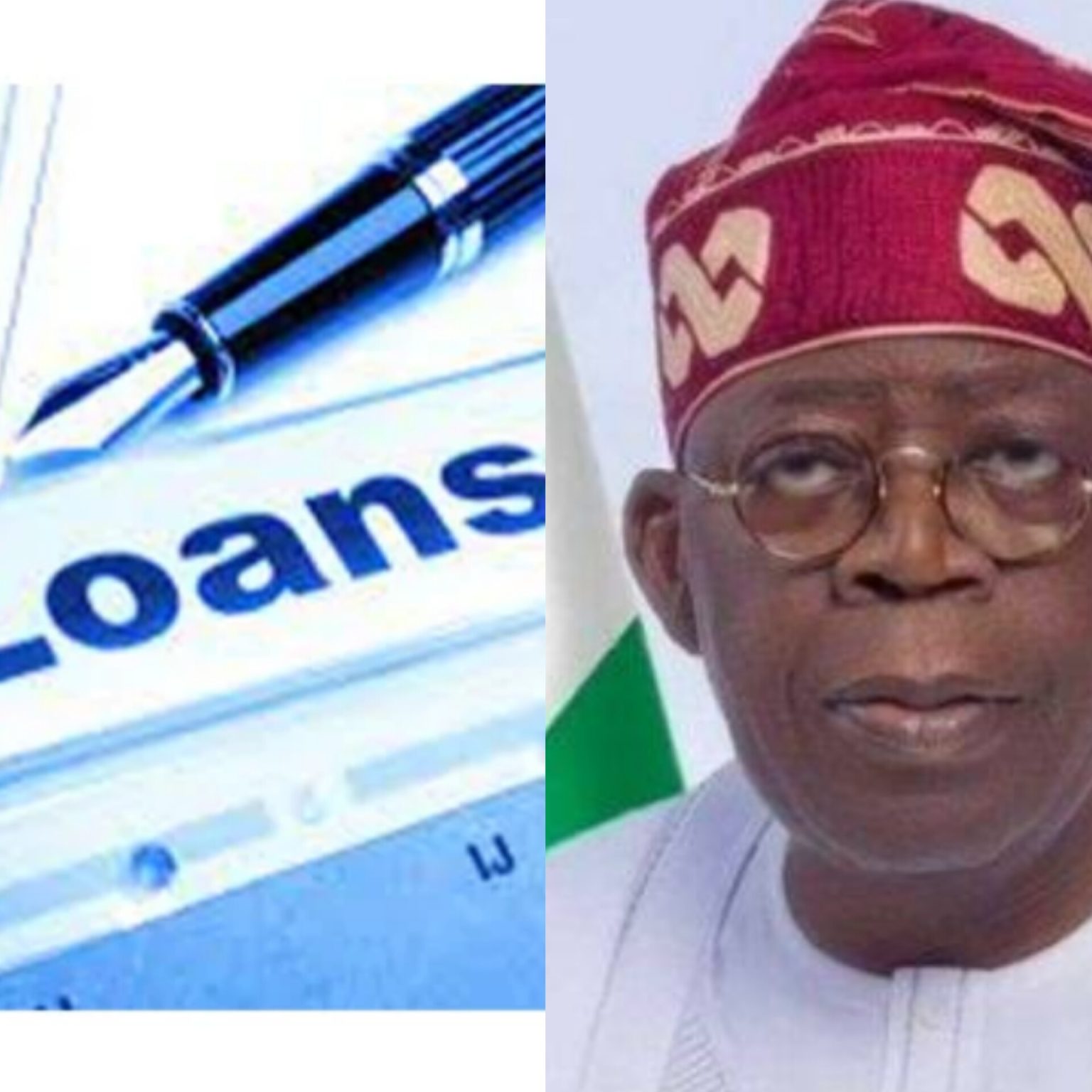

Central Bank of Nigeria data show a sharp rise in federal government domestic borrowing in 2025 despite high interest rates. Credit to the government increased by N9.19tn, while net credit to the private sector fell by N1.54tn. This reflects a classic “crowding-out” effect, where government demand for funds limits access to finance for businesses and households.
Government credit largely comes from banks and financial institutions buying Treasury bills, bonds, and other public securities. These funds are used to finance budget deficits, refinance maturing debts, and manage cash flow gaps. In 2025, the government’s growing reliance on local funding absorbed a significant share of available liquidity in the financial system.
By contrast, private sector credit — crucial for investment, production, and job creation — weakened. Facing very high borrowing costs, many firms scaled back new loans and focused on servicing existing debts. Banks, in turn, preferred lending to government through low-risk, high-yield securities rather than extending credit to businesses.
Industry leaders and economists, including Muda Yusuf of CPPE, warn that this pattern signals a troubling imbalance. They argue that as long as interest rates remain elevated and government borrowing stays high, the productive sector will struggle to access affordable finance, slowing investment and economic growth.