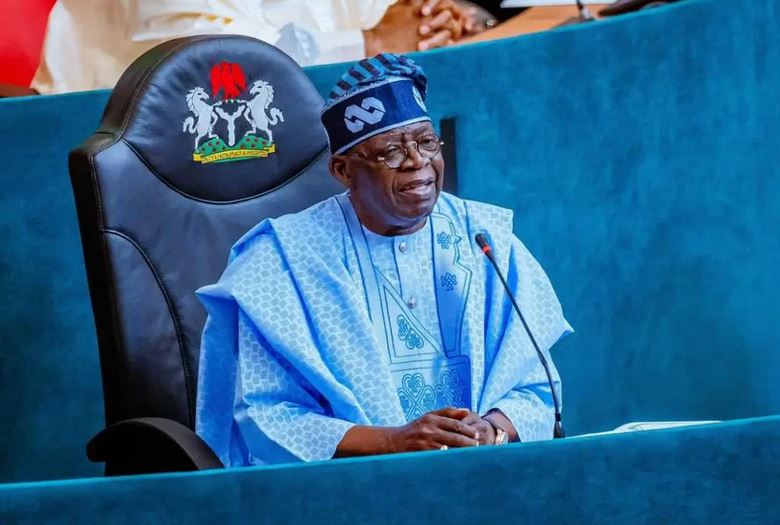
Nigeria’s tax system has officially entered a new chapter, as the Federal Government published the country’s latest tax reform laws in the national gazette following President Bola Tinubu’s approval on June 26.
In a statement on Wednesday, Kamorudeen Yusuf, Personal Assistant on Special Duties to the President, confirmed that the reforms cover four key legislations: the Nigeria Tax Act 2025, Nigeria Tax Administration Act 2025, Nigeria Revenue Service (Establishment) Act 2025, and the Joint Revenue Board (Establishment) Act 2025.
The new laws bring sweeping changes. Small businesses with annual turnover below ₦100 million and assets under ₦250 million will now be exempt from corporate tax. For large firms, the corporate tax rate could be slashed from 30% to 25% at the President’s discretion. Other measures include a 5% annual tax credit for approved priority-sector projects, new “top-up” tax thresholds for local and multinational companies, and a rule allowing businesses transacting in foreign currency to pay taxes in naira at official exchange rates.
While the Nigeria Tax Act and the Nigeria Tax Administration Act will take effect from January 1, 2026, the Nigeria Revenue Service Act and Joint Revenue Board Act came into force immediately on June 26. The government says these reforms are designed to simplify taxation, ease pressure on small businesses, attract new investment, and build fiscal stability—key pillars of Tinubu’s Renewed Hope Agenda to reduce Nigeria’s reliance on oil revenues.