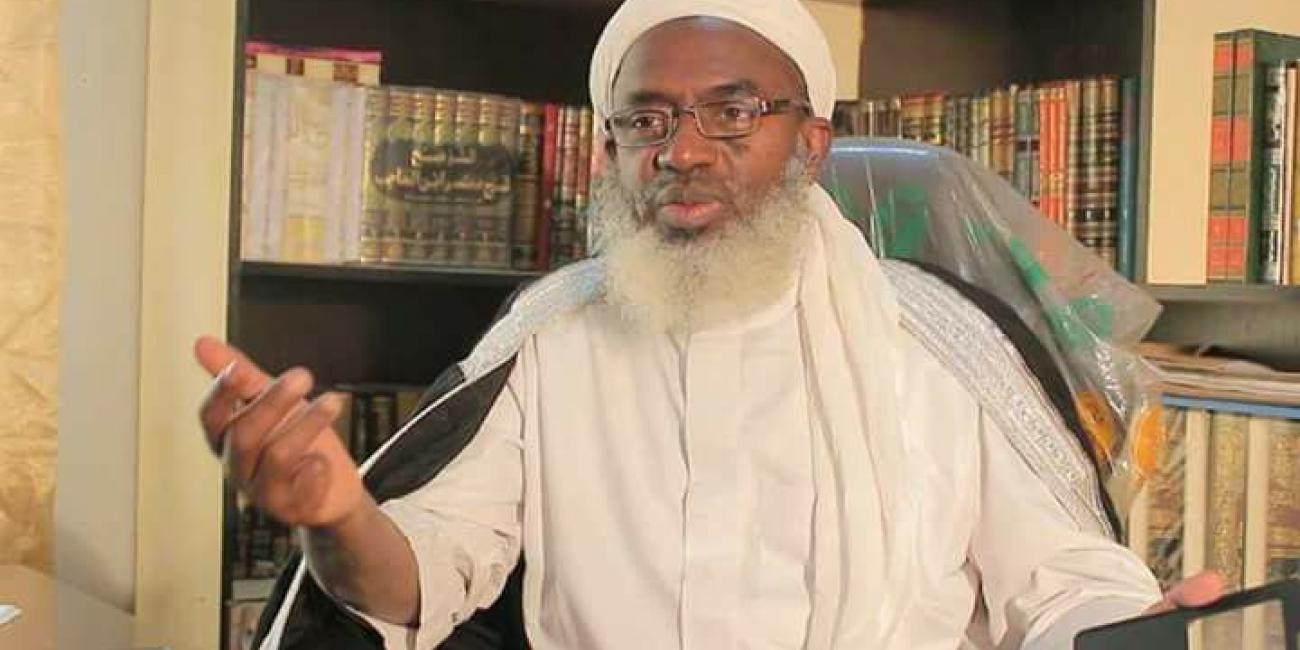
Islamic cleric Sheikh Ahmad Gumi has renewed his controversial appeal for the federal government to hold peace talks with bandit groups operating in northern Nigeria. He drew a parallel with the recent truce between Israel and Hamas, arguing that negotiated settlements — even with designated terrorists — can yield periods of calm.
In a Monday Facebook post, Gumi wrote: “Peace between Israel and Hamas they term as terrorists brokered by USA. Who said there is no peace with terrorists? Make peace with bandits and let us have peace.” His remarks come amid ongoing local reconciliation efforts, including a recent meeting in Sabuwa Local Government Area, Katsina State, where community leaders engaged directly with bandit representatives.
Gumi urged security agencies to avoid undermining such deals and instead help guide repentant fighters back into peaceful civilian life. He pointed to the rehabilitation of Niger Delta militants as a model, saying the state should teach former combatants how to live productively rather than destroying nascent truces.
The cleric’s interventions are not new. In May 2022 he publicly advocated paying ransom or negotiating where it would secure the immediate release of hostages — an approach that sparked fierce debate about incentives, morality, and long-term security strategy. Critics argue negotiation can legitimize criminals; supporters say it can save lives and create openings for deradicalisation.
Gumi’s latest statement follows reports of a peace settlement in Sabuwa, where traditional rulers and community delegates reportedly reached terms with forest-based bandits to restore calm. He prayed that those who “fuel war” be thwarted and appealed for patience and support from security agencies and the public.
The debate over engagement versus force remains polarising. Proponents of talks stress the practical need to end cycles of kidnapping and cattle rustling that devastate communities. Opponents warn that deals without accountability risk entrenching criminality and undermining the rule of law.
As Nigeria wrestles with its insecurity challenge, Gumi’s calls underline a central dilemma for policymakers: how to balance immediate protections for civilians against long-term efforts to deny criminal networks space to grow. Whether dialogue or military pressure — or a mix of both — will produce durable peace remains the pressing question for leaders and communities alike.