This content has been archived. It may no longer be relevant
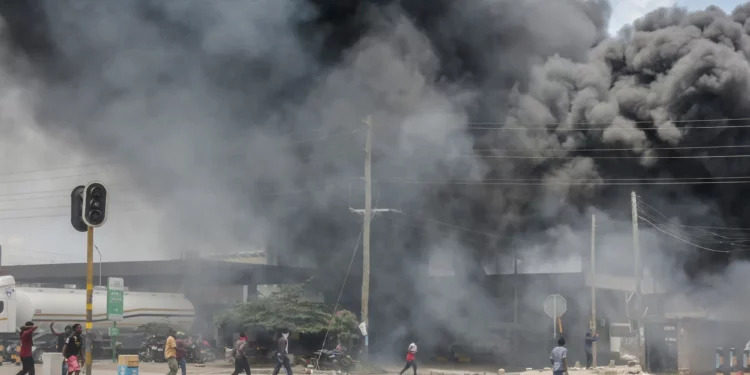
Muslim leaders in Tanzania have strongly condemned the deadly violence surrounding the October 29, 2025, general election, accusing security forces of killing civilians and urging comprehensive political reforms to restore public trust in state institutions.
The Council of Imams described the killing of innocent people during the election as “unacceptable” and said it has gravely undermined democracy. President Samia Suluhu Hassan won the vote with 98% support, after several opposition candidates were jailed or barred from running—a move critics say cleared the field for the ruling party. Opposition groups allege over 1,000 deaths during unrest, though the government has not released official figures.
The imams, who observed the election informally, reported widespread irregularities, including ballot stuffing, tampered polling stations, and registration of deceased voters, making the process “impossible” to consider credible. Their intervention marks one of the strongest public statements yet from religious leaders, who traditionally avoid direct political involvement.
They called for an inclusive national dialogue, involving civil society, political parties, and community groups, to address the root causes of unrest. Additionally, they renewed demands for a new constitution to reduce presidential powers and improve checks and balances.
Tanzania’s democratic progress, initially praised for reforms under Hassan since 2021, has been eroded by renewed repression, including harassment of journalists, arrests of opposition figures, and restrictions on public rallies. International observers have criticised the lack of transparency, and hundreds of protesters remain in detention.
The imams’ statement emphasizes the need to restore justice, peace, and human dignity, warning that without meaningful reforms, public anger and instability will persist. Hassan has pledged a commission of inquiry into the violence, but analysts stress that substantive changes are necessary to rebuild trust and prevent further unrest.