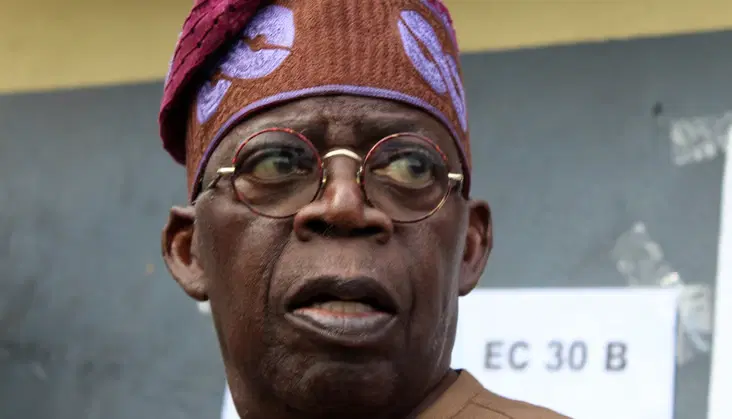
Senior opposition figures have issued a stern warning to President Bola Tinubu, accusing his administration of quietly steering Nigeria toward a one-party system while allegedly using state institutions to intimidate political opponents ahead of the 2027 general elections.
In a joint statement, the leaders said growing public perception suggests that key security and anti-corruption agencies are no longer seen as neutral institutions, but as tools for selective justice and political pressure against opposition figures.
The statement was signed by former Senate President David Mark; former Vice President Atiku Abubakar; Labour Party’s 2023 presidential candidate Peter Obi; former PDP Deputy National Chairman, Chief Bode George; former APC National Chairman, Chief John Odigie-Oyegun; and Mallam Lawal Batagarawa.
They said they felt compelled by conscience and national duty to alert Nigerians and the international community to what they described as a gradual erosion of democratic norms, warning that intimidation and persecution of opposition leaders now appear systemic.
According to the group, there is a covert strategy to bring all state governments under the control of the ruling All Progressives Congress (APC), not through free and fair elections, but through pressure allegedly applied via anti-graft investigations. They claimed opposition governors and influential political figures are the main targets.
The leaders pointed to the recent wave of defections by opposition governors to the APC as reinforcing public suspicion that fear and coercion, rather than political ideology, are driving the realignments.
They further alleged that the Economic and Financial Crimes Commission (EFCC) has become especially vulnerable to political influence, claiming that allegations involving ruling party members are often ignored or delayed, while opposition figures face swift investigations and public trials in the media.
The statement recalled comments previously attributed to a former APC national chairman suggesting that politicians’ “sins” are forgiven once they join the ruling party, noting that the remark has come to symbolise what many Nigerians view as selective application of anti-corruption laws.
The opposition figures warned that such practices weaken public trust, damage the credibility of the anti-graft fight and pose serious risks to political stability as the country heads toward another election cycle.
They called for urgent reforms, including the full depoliticisation of the EFCC and safeguards to prevent Nigeria from sliding into what they described as a de facto one-party state.
As part of their proposals, the leaders suggested embedding anti-graft officials directly into government payment and expenditure processes at all levels of government, citing a Supreme Court ruling affirming the EFCC’s oversight powers over public finances.
They also demanded the creation of an independent review body to audit public accounts at the federal, state and local government levels between 2015 and 2025. The proposed body, they said, should be chaired by a respected judge and include representatives of civil society, professional bodies, security agencies, anti-corruption institutions and all political parties represented in the National Assembly.
“Nigeria belongs to all of us, not to one party or one leader,” the statement said, warning against silence in the face of what they described as creeping authoritarianism.
The opposition leaders disclosed plans to engage Nigeria’s international partners and diplomatic missions in the coming weeks to raise concerns over the alleged politicisation of anti-graft institutions and push for reforms aimed at protecting the country’s democratic future.