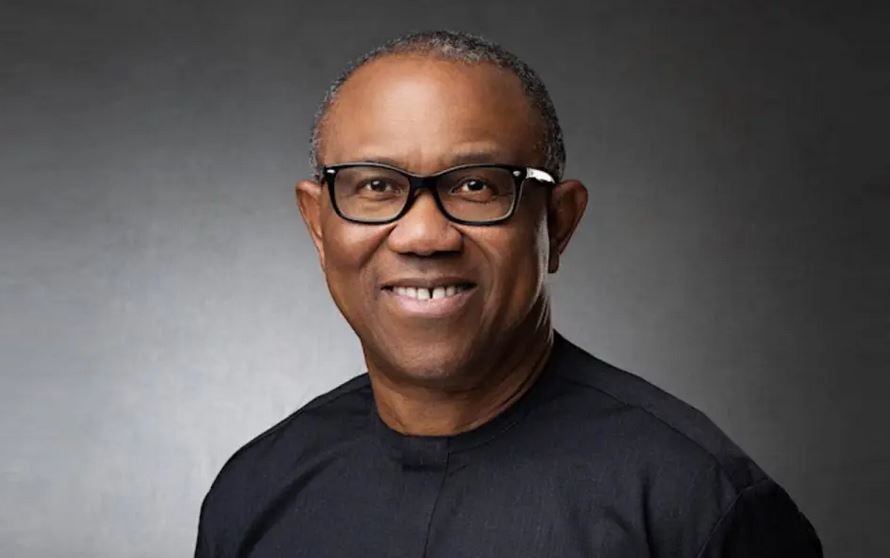
Former Labour Party presidential candidate, Peter Obi, has expressed concern that while politicians are busy struggling for power and control of party structures, ordinary Nigerians are sinking deeper into poverty.
In a post shared on his verified X handle on Thursday, Obi said Nigeria is moving in the wrong direction at a time when other countries are successfully lifting millions of their citizens out of hardship.
He described the country’s poverty situation as alarming, noting that about 62 per cent of Nigerians — an estimated 141 million people — are currently living in poverty. According to him, this means more than half of the nation’s population is struggling to survive under harsh economic conditions.
Obi lamented that while politicians often rush to share appointments and positions even before elections are concluded, the reality on the ground tells a far more troubling story. Citing World Bank data, he said the number of Nigerians living in poverty rose from 81 million in 2019 to about 139 million in 2025.
He added that between 2023 and 2024 alone, the poverty figure jumped from 115 million to 129 million people — an increase of 14 million in just one year. Projections, he said, indicate that by 2026, the number will rise further to around 141 million, meaning an additional 26 million Nigerians would have been pushed into poverty within three years.
Referencing the Nigeria Economic Outlook 2026 report titled “Turning Macroeconomic Stability into Sustainable Growth,” Obi said weak income growth and persistently high living costs would continue to worsen poverty, despite recent efforts at economic stabilisation.
He explained that most Nigerians are unable to earn enough to offset rising costs of living, especially with high prices driven by energy costs, logistics challenges and exchange-rate pressures. Low-income households, he noted, are particularly vulnerable, as food accounts for up to 70 per cent of their total spending.
Obi warned that rising poverty weakens purchasing power, reduces demand and places enormous strain on micro, small and medium-sized businesses that depend on local consumers. He cautioned that if the trend continues, it could damage public finances, weaken human capital and stall economic recovery.
Drawing comparisons, Obi pointed out that countries like India and Indonesia have significantly reduced poverty through sustained investments in education, healthcare and social protection. India, he said, cut extreme poverty from about 35–40 per cent in 2000 to just over five per cent today, while Indonesia reduced its poverty rate from around 30 per cent to about eight per cent over the same period.
By contrast, Obi noted that Nigeria’s poverty rate has risen from roughly 40 per cent in 2000 to about 62 per cent today.
He questioned whether Nigerians should continue to accept a situation where children born in the country face one of the highest risks of growing up in poverty globally. According to him, the reality of 141 million Nigerians living in poverty is not just a failure of leadership but a serious threat to the nation’s future.
Obi concluded by stressing that the time for complacency is over, calling for urgent structural reforms, including macroeconomic stability, investment in agriculture, education, healthcare, logistics, productivity and large-scale job creation.