The Federal Government has pushed back against concerns over Nigeria’s rising public debt, insisting that the current figure of about ₦152 trillion is not the result of reckless borrowing but improved transparency and exchange rate adjustments.
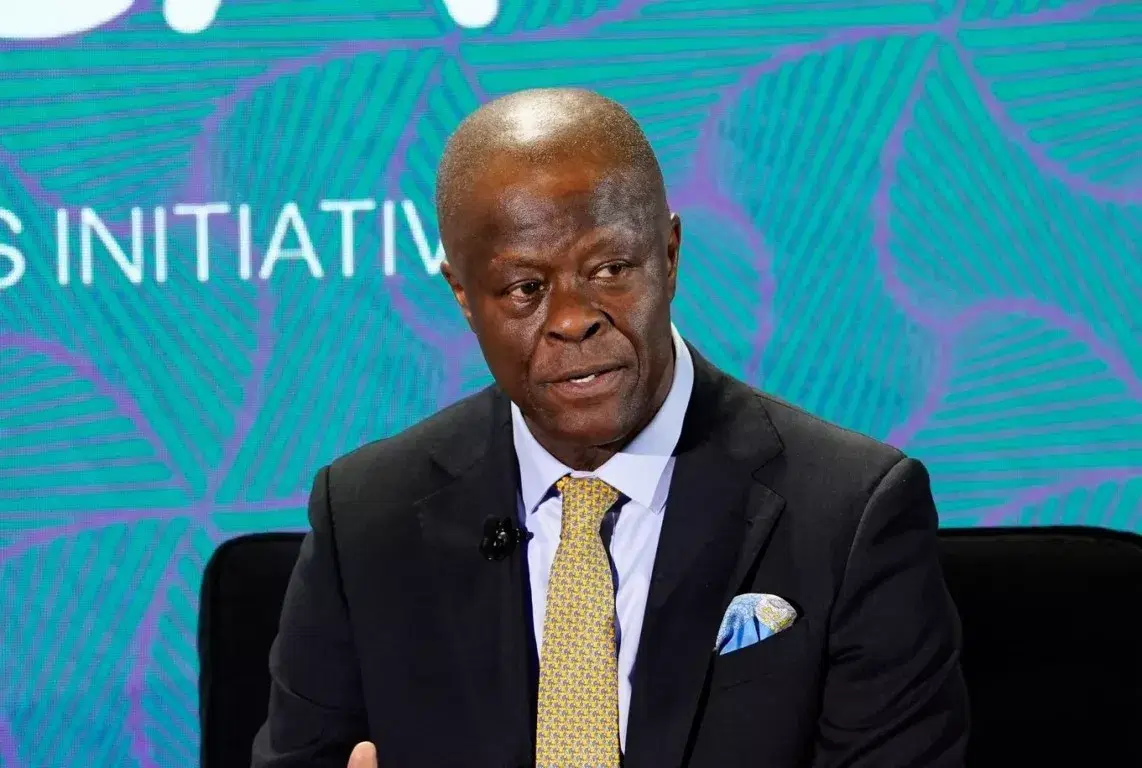
Speaking in Lagos at the presentation of the Nigerian Economic Summit Group (NESG) 2026 Macroeconomic Outlook, the Coordinating Minister of the Economy and Minister of Finance, Wale Edun, said the Tinubu administration deliberately chose openness and fiscal discipline over what he described as opaque accounting practices of the past.
According to Edun, Nigeria’s total public debt now stands at ₦152 trillion, just over $100 billion. He explained that about ₦30 trillion of this amount represents previously unrecorded Ways and Means advances that have now been formally recognised, while exchange rate revaluation accounts for much of the remaining increase—not new borrowing.
He acknowledged that debt servicing remains a challenge but stressed that transparency has improved significantly. Despite fiscal pressures, Edun said the government has continued to meet its obligations, including the payment of salaries, pensions and debt service.
Reviewing the 2025 Budget performance, the minister noted that Nigeria showed resilience despite global economic headwinds. He said the fiscal deficit stood at 3.4 per cent of GDP, slightly above the Fiscal Responsibility Act threshold, largely due to adjustment pressures and revenue shortfalls from oil and gas. However, he added that non-oil revenue recorded noticeable improvements.
Edun also highlighted that fiscal federalism reforms have strengthened states’ finances, with many now recording budget surpluses of over three per cent, allowing for increased spending on health, education and public services.
He described the administration’s economic reforms as difficult but necessary, saying they have helped stabilise the macroeconomic environment and position the country for consolidation. According to him, distortions such as fuel subsidies, preferential access to foreign exchange and rent-seeking opportunities have been dismantled, creating a fairer and more productive economic system.
On investor confidence, Edun said Nigeria is already seeing positive signals, including its exit from the FATF grey list and removal from the European Union’s list of high-risk third countries. He added that credit rating agencies have also responded favourably to the reforms.
Looking ahead, the minister said the government projects economic growth of about 4.68 per cent in 2026, with inflation averaging 16.5 per cent and the exchange rate benchmarked at ₦1,400 to the dollar. He noted that the 2026 Budget—titled “Budget of Consolidation, Renewed Resilience and Shared Prosperity”—is aimed at translating macroeconomic gains into tangible benefits such as food security, electricity, housing and jobs.
However, reactions from analysts were mixed. While some acknowledged the gains in transparency, others warned that fresh domestic borrowing has still played a significant role in sustaining government operations, raising concerns about fiscal sustainability, especially given weak revenue growth and rising debt service obligations.