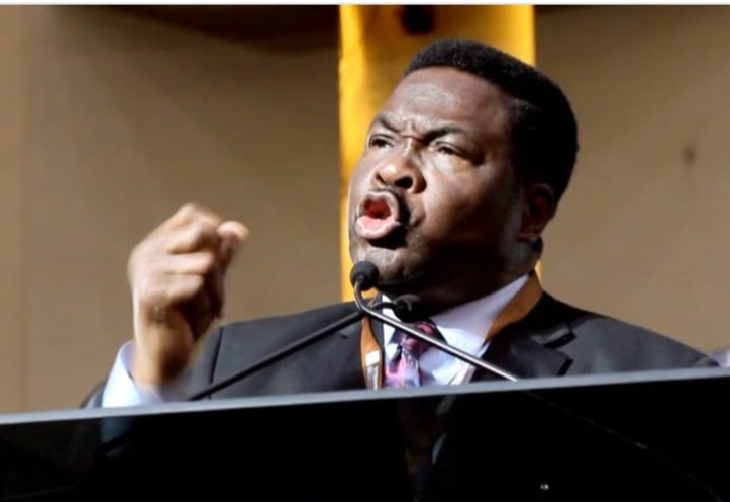
As Chief Mike Ozekhome (SAN) prepares to face trial before the Federal Capital Territory High Court in Maitama on Monday, January 26, 2026, legal minds across the country are already debating a key question: does the Independent Corrupt Practices and Other Related Offences Commission (ICPC) have the legal standing to prosecute him?
The Federal Government, acting through the ICPC, is accusing Ozekhome of alleged London property fraud, including document forgery, use of false identities, and receipt of disputed foreign property. But senior lawyers argue the matter raises serious jurisdictional concerns, as the property in question is in the United Kingdom, and key evidence originates from a UK tribunal.
At the centre of the debate is whether the ICPC Act, which mainly empowers the commission to investigate corruption by public officers or institutions in Nigeria, actually covers this case. Critics are asking: is Ozekhome being tried as a public officer? Do the allegations fall within ICPC’s remit? Can the commission lawfully prosecute acts substantially connected to a foreign jurisdiction?
These questions are expected to form the backbone of preliminary objections by Ozekhome’s defence team, led by Chief Kanu Agabi (SAN) and 15 other Senior Advocates of Nigeria. The lawyers are likely to challenge the competence of the charges before engaging with the substance of the case.
While the ICPC maintains that falsified documents and fictitious identities are involved, the defence may argue that even serious allegations cannot succeed if the prosecuting body lacks legal authority.
The trial, set to begin at 9:00am, could quickly shift focus from the alleged London property fraud to the fundamental question of locus standi—a decision that may set a precedent for future cross-border prosecutions in Nigeria.