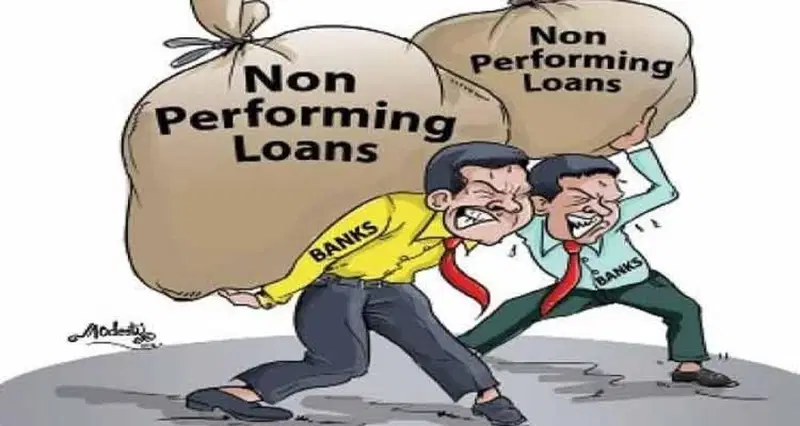
Amid growing economic pressure on households and businesses, Nigerian banks are now grappling with a worrying rise in loan defaults. Data from the unaudited financial statements of the top 11 banks for the nine months ended Q3 2025 show that Non-Performing Loans (NPLs) climbed to ₦21.2 trillion from ₦20.2 trillion at the end of 2024, with nine of the banks recording increases in bad loans.
Tier-1 banks carry the largest share of this burden, accounting for ₦17.63 trillion in NPLs, while Tier-2 banks recorded a 10 percent rise to ₦3.54 trillion. The Central Bank of Nigeria’s Financial Stability Report confirms the trend, noting that the NPL ratio rose above the regulatory benchmark of 5 percent to 5.76 percent by mid-2025.
Two key factors are driving this surge. The first is the withdrawal of COVID-19 regulatory forbearance, which had allowed banks to restructure loans and extend repayment moratoriums. With the removal of this relief, many previously shielded loans had to be properly reclassified as non-performing.
The second factor is the genuine rise in loan defaults, particularly among businesses. CBN credit condition reports across Q2, Q3, and Q4 of 2025 consistently show higher default rates for secured, unsecured, and corporate lending. High interest rates, reduced purchasing power, and broader economic strain have made debt servicing increasingly difficult for many firms.
Analysts also point to the sharp depreciation of the naira as a major contributor. Many companies had opened foreign currency Letters of Credit when exchange rates were far lower. As the dollar surged to around ₦1,800, these obligations became nearly impossible to meet, turning viable loans into distressed exposures.
The removal of fuel subsidies and rising operational costs in sectors such as construction further worsened repayment capacity. While macroeconomic indicators may suggest gradual improvement, the lived reality for businesses and households remains challenging. Banks are now left to manage the fallout while strengthening provisions and capital buffers to maintain financial system stability.