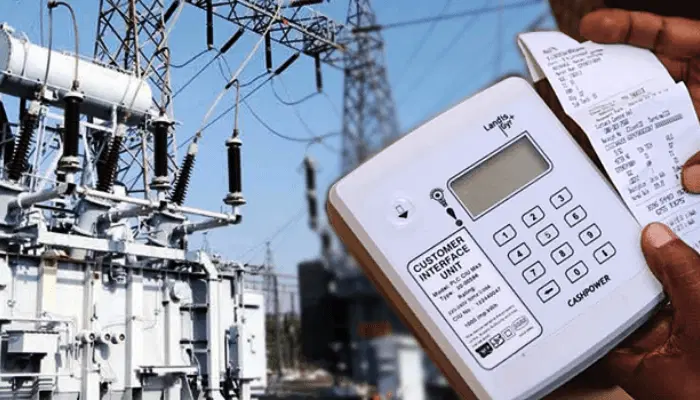
President Bola Tinubu has directed state governments to begin sharing the cost of electricity subsidies alongside the Federal Government. Funding will now be routed through the Power Assistance Consumers Fund (PCAF), a government-backed pool designed to support vulnerable households as tariffs rise.
The move aims to replace broad, universal subsidies with targeted support, while making the true cost of subsidy decisions more transparent. With over 18 states already operating their own electricity regulatory agencies, Abuja argues that states should also contribute financially to the system they increasingly help regulate.
Director-General of the Budget Office, Tanimu Yakubu, explained that keeping tariffs artificially low creates a financial gap — and that gap is a subsidy someone must pay for. He stressed that it is no longer sustainable for the Federal Government to carry this burden alone, especially when the political benefits are shared across all tiers of government.
The directive is part of a wider fiscal reform agenda for 2026. Ministries and agencies will be required to align spending with stricter fiscal rules, focusing on projects that are “delivery-ready” and “finance-ready,” rather than long lists of underfunded plans.
State authorities have reacted cautiously. The Nigerian Governors’ Forum and several State Electricity Regulatory Commissions are reviewing the decision, seeking clarity on its legal, financial, and operational implications.
Economic experts say the move was almost inevitable. Mounting debts owed to power generation companies and gas suppliers—running into trillions of naira—highlight that the current subsidy model is no longer viable for the Federal Government alone.
However, legal concerns remain. Some analysts question whether the Federal Government has the constitutional authority to dictate how states should allocate their financial resources, particularly in a wholesale electricity market that remains federally controlled.
For many observers, this reform could either deepen tensions or finally impose discipline and accountability in electricity financing. The outcome will depend on how transparent the cost-sharing framework is and whether states can absorb the new responsibility without creating fresh fiscal pressures.