Nigeria’s economic outlook for 2026 presents encouraging signs of stability and renewed business confidence. However, PwC experts warn that these gains remain fragile, highly exposed to oil market volatility, foreign exchange pressures, and policy-induced shocks.
At the PwC–BusinessDay Executive Roundtable in Lagos, optimism was clearly present but tempered by caution over unresolved structural and geopolitical risks. Sam Ado, Regional Senior Partner at PwC West Africa, noted that today’s leaders operate with “two lenses”: one focused on immediate threats like geopolitics and cyber risks, and another on long-term opportunities driven by technology and innovation.
Macroeconomic indicators show noticeable improvement. Inflation has eased to 14.45%, the naira has strengthened to around ₦1,436/$, and foreign reserves have risen above $45 billion. PwC attributes these outcomes to disciplined monetary policy and a level of stability once thought unlikely.
Still, PwC stresses that stability should not be confused with success. It is merely a platform upon which sustainable growth must be built. Notably, 90% of Nigerian CEOs surveyed in PwC’s Global CEO Survey expect economic improvement in 2026, a significant rise from the previous year.
Major fiscal risks remain. Debt servicing is projected to consume about 45% of federal revenue, while the fiscal deficit remains substantial. Security concerns, particularly in a pre-election year, also pose serious downside risks to the business environment.
PwC advises Nigerian businesses to focus on four priorities in 2026: strategic reinvention, technology and AI adoption, cybersecurity and trust, and sustainability. Although investment sentiment is improving, consumer recovery will lag as macroeconomic gains take time to translate into jobs and household income.
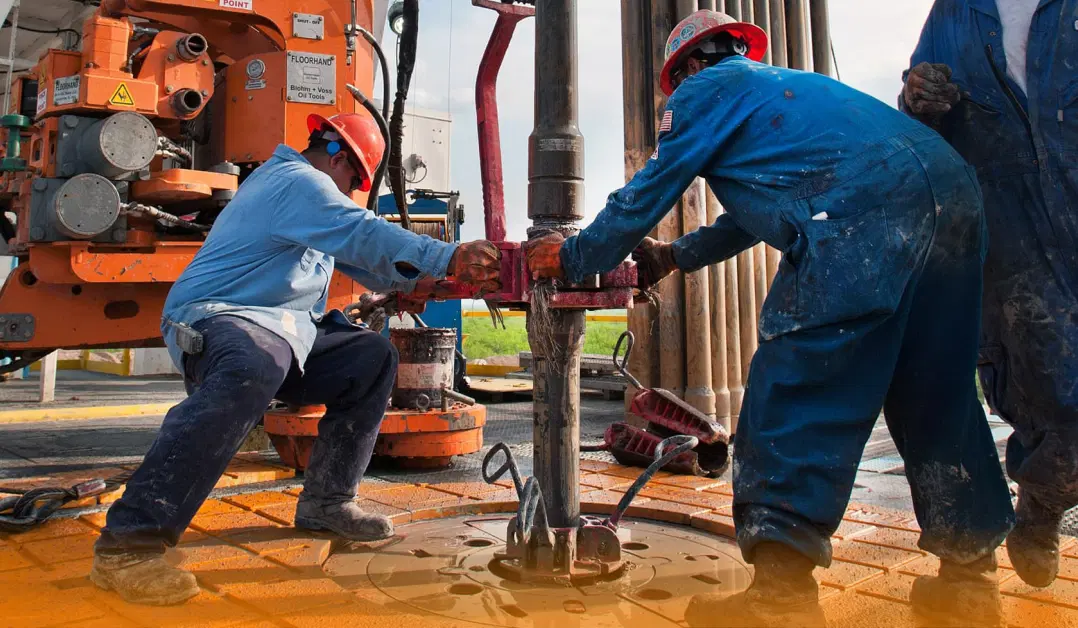
Finally, experts highlight Nigeria’s continued vulnerability to oil-related shocks. Any major disruption in oil production or pricing could quickly undermine budget assumptions and foreign exchange stability.