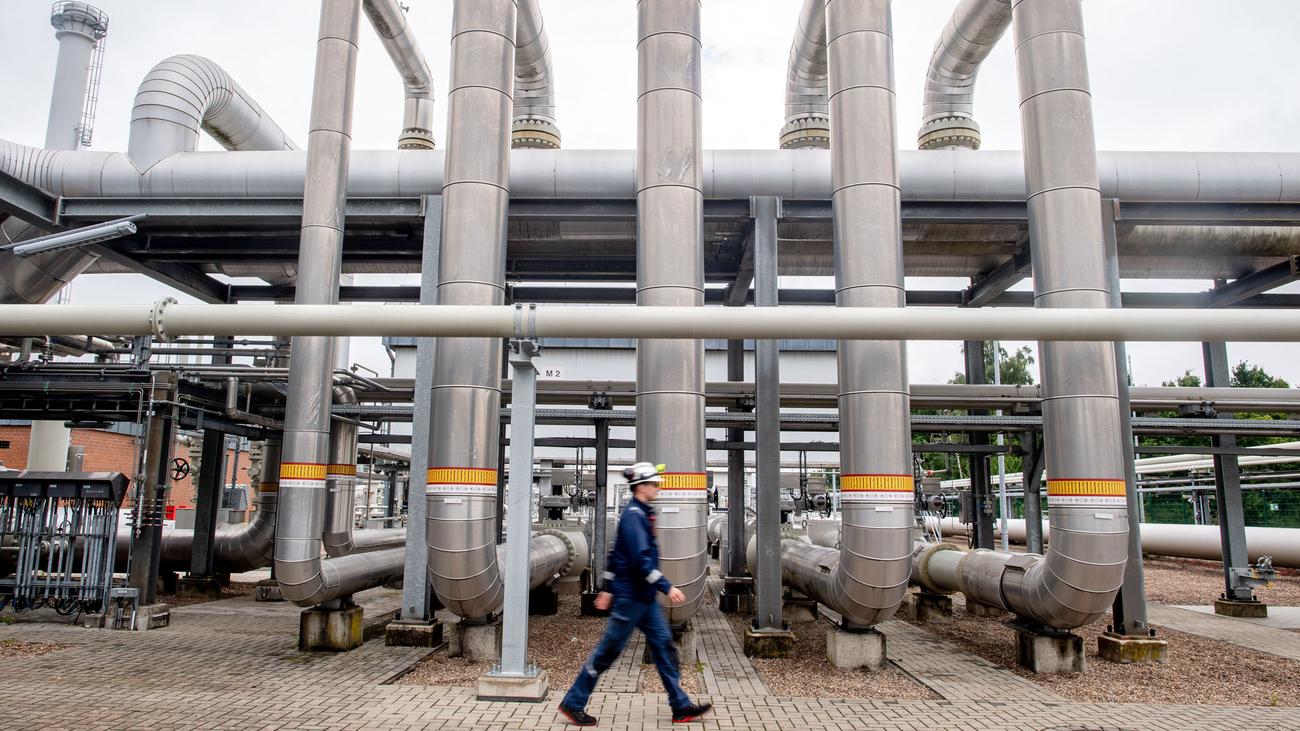
Given the high gas prices Storage operators face difficulty preparing for the next one winter. The Energy Storage Initiative (Ines) said there is currently a lack of any economic incentives to store gas. Gas is currently available cheaper for the coming winter than for the summer. Given the historically low initial levels, this represents a significant risk for the coming winter supply.
“The supply for the rest of the winter is secured. The real challenge now lies before us – refilling the storage tanks for the coming winter,” said Ines managing director Sebastian Heinermann. “The status quo is not sustainable – existing mechanisms do not adequately ensure gas supply security because the incentives to fill the gas storage facilities are inadequate.” The legal and regulatory framework must be further developed.
Effects of the Iran War
The current situation also shows that external geopolitical shocks could completely undermine market incentives in a very short time. The Blockade of the Strait of Hormuz as a result of the Iran war had led to price increases on global LNG markets.
Europe sources only a smaller portion of its oil and gas imports from supplies through the Strait of Hormuz. However, since oil and gas are traded on global stock exchanges, consumers in Germany are also feeling the price increases.
Federal Minister of Economics Katherina Reiche (CDU) spoke out against a price cap on Monday. State intervention in the gas or electricity market “ultimately leads to higher prices,” said Reiche on the sidelines of a meeting of EU energy ministers in Brussels. The meeting served to prepare for the EU summit on Thursday, which will, among other things, discuss possible relief for private households and companies in view of rising energy prices.