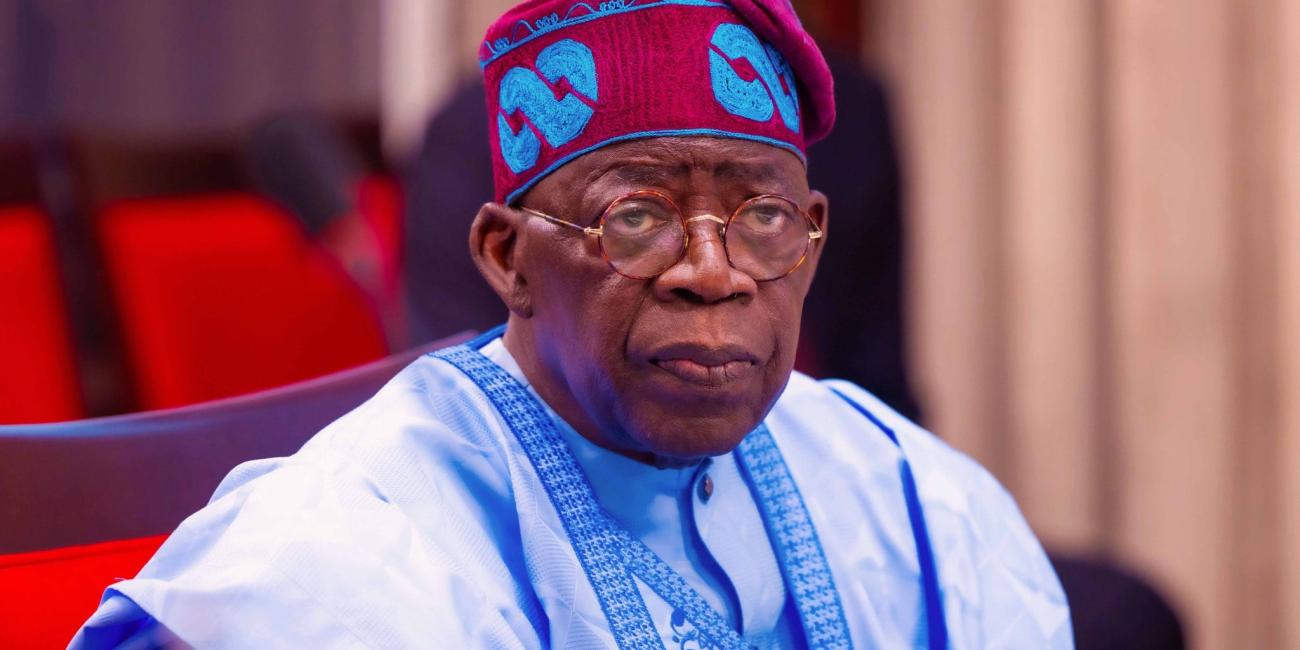
Nigeria’s economic leadership has taken a dramatic turn after President Bola Ahmed Tinubu relieved Wale Edun of his duties as Minister of Finance, appointing Taiwo Oyedele as his replacement.
The decision, confirmed through a memo signed by George Akume, signals a significant shift at the heart of the country’s financial management — and raises immediate questions about timing and motivation.
According to the official explanation, the move is aimed at improving coordination and strengthening service delivery under the government’s economic agenda.
“These changes are aimed at strengthening cohesion… and achieving more impactful delivery on the economy,” Akume stated.
But beyond the formal language, there are deeper concerns surrounding the sudden removal.
Sources point to growing worries about Edun’s health, as well as troubling reports of alleged security threats linked to a suspected coup plot — factors that may have accelerated the decision.
For many observers, the reshuffle is not just administrative — it is urgent.
Oyedele, who was only recently serving as Minister of State for Finance, now steps into one of the most critical roles in government at a time when Nigeria’s economy is under intense pressure.
The transition is expected to be swift, with all handover processes scheduled to be completed by April 23.
Also named in the shake-up is Muttaqha Darma, who has been appointed Minister-designate for Housing and Urban Development.
While the presidency has framed the changes as part of ongoing efforts to “reinvigorate” the cabinet, the abrupt nature of the move has drawn attention.
For Nigerians watching closely, the key question is not just who is in charge — but whether this change will bring the stability and direction the economy urgently needs.