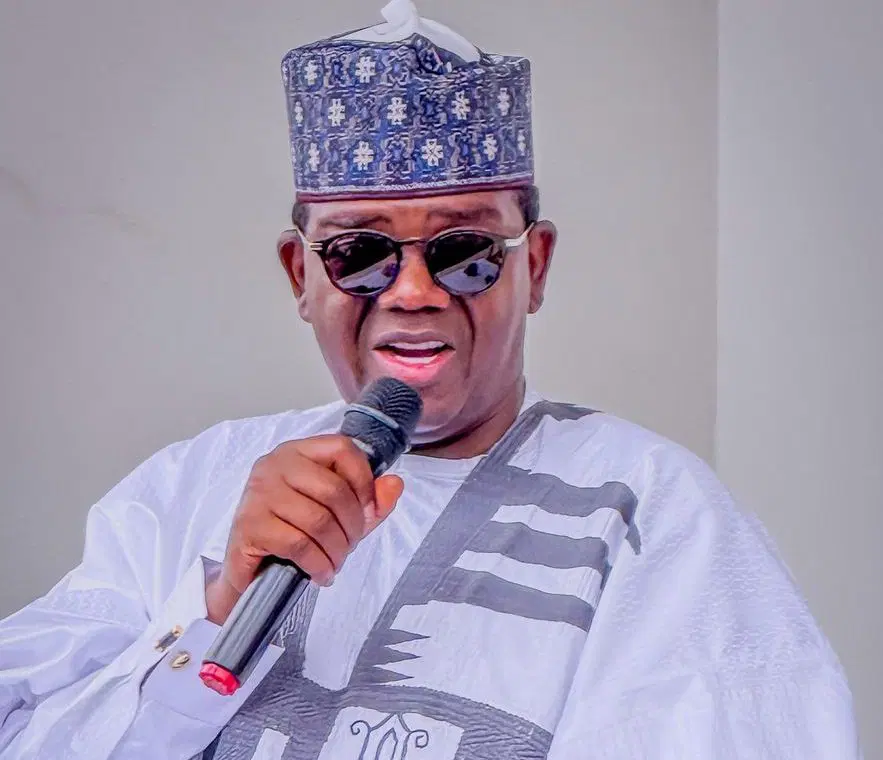
A fresh wave of controversy has erupted over Nigeria’s worsening security crisis after a United States lawmaker accused the country’s defence leadership of trying to suppress international attention.
Kimberly Daniels, a member of the Florida House of Representatives, made the allegation during a live broadcast, claiming that individuals linked to Defence Minister Bello Matawalle attempted to pressure and discredit her following her comments on violence in Nigeria.
“I am speaking on behalf of people who say they are under attack,” she said, framing her intervention as a call for investigation rather than accusation.
According to Daniels, the pressure campaign included attempts to influence American officials and counter her position through coordinated messaging.
She alleged that an unnamed US lawmaker was “persuaded” to publicly defend Nigeria’s defence leadership, and claimed she received materials — including prepared statements — aimed at shaping the narrative.
But she made one thing clear:
She would not be silenced.
The claims come after a report she released under the United World Congress of Diplomats raised concerns about escalating violence in parts of Nigeria, particularly in Plateau, Kaduna, and Nasarawa states.
The report pointed to what it described as a growing gap between official assurances and realities on the ground, especially following attacks during the Easter period.
It also went further — questioning the credibility of the current security leadership and recommending a review, including possible changes at the top.
Daniels said her position was based on testimonies from affected communities and input from a network spanning multiple countries, including the United States, Nigeria, the United Kingdom, and Canada.
For many observers, the situation highlights a growing international dimension to Nigeria’s security challenges.
It is no longer just a domestic issue — it is now part of a global conversation.
And as accusations and counter-accusations emerge, the bigger question remains:
Will the focus stay on the politics — or return to the people caught in the violence?