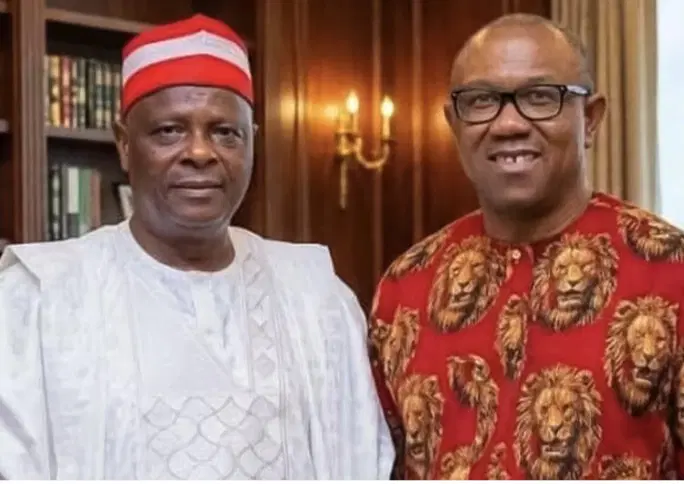
Nigeria’s political landscape is witnessing a major shake-up ahead of the 2027 elections, as key figures including Peter Obi and Rabiu Musa Kwankwaso have exited the African Democratic Congress (ADC), triggering a wave of realignments across parties.
A Strategic Political Realignment
The defections come amid growing uncertainty within opposition parties, especially following recent developments that have made platforms like ADC and the Peoples Democratic Party (PDP) less stable for aspirants preparing for the 2027 elections.
Obi, Kwankwaso, and several other high-profile politicians have now aligned with the Nigeria Democratic Congress (NDC), a relatively new party gaining traction as a potential alternative platform.
Behind the Move
The shift is partly driven by the electoral timeline set by the Independent National Electoral Commission (INEC), which requires politicians to be registered members of a party to contest. With deadlines approaching, many politicians are seeking more stable platforms.
Obi described the current political environment as deeply challenging, marked by internal conflicts, court cases, and what he sees as interference affecting opposition parties. He stressed that these issues are distractions from addressing critical national concerns like poverty, insecurity, and economic hardship.
High-Level Meetings and New Alliances
Following their exit, Obi and Kwankwaso held strategic meetings in Abuja with Seriake Dickson and other NDC leaders. At the gathering, they were formally welcomed and issued membership cards, signaling a strong commitment to their new political direction.
Other notable politicians, including senators and former lawmakers, have also joined the movement, suggesting a broader coalition is forming within the NDC.
Mixed Reactions
The defections have sparked varied reactions. While supporters see it as a bold step toward building a stronger opposition, critics—including voices from the presidency—have dismissed the move as opportunistic, even labeling Obi a “political nomad.”
What It Means for 2027
This wave of defections could significantly reshape Nigeria’s political structure. Party dominance in the National Assembly may shift, and alliances formed now could determine the strength of opposition forces in the next general election.
For many observers, the key question is whether these new alignments will translate into meaningful political change—or simply reflect another cycle of party switching without deeper reform.
One thing is clear: Nigeria’s political arena is entering a decisive phase, with alliances forming rapidly and the race toward 2027 already intensifying.