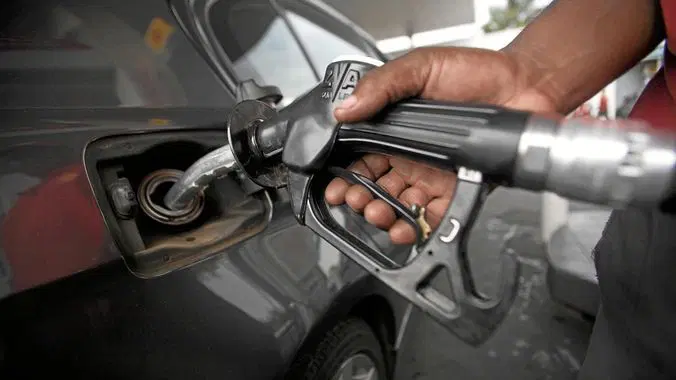
Nigeria’s appetite for petrol continues to grow despite rising costs, as fresh data shows a noticeable increase in daily consumption across the country.
According to the Nigerian Midstream and Downstream Petroleum Regulatory Authority, daily consumption of Premium Motor Spirit (PMS) rose by 10.78% in April 2026, hitting 52.4 million litres compared to 47.3 million litres recorded in March.
This surge came even as average petrol prices climbed to about ₦1,370 per litre in April, marking a 13.8% increase from the ₦1,180 per litre average recorded in March. The trend highlights how demand for fuel remains strong despite economic pressure on consumers.
On the supply side, total petrol availability from local refining and imports also increased by 10.7%, reaching 44.4 million litres per day. A significant portion of this came from the Dangote Refinery, which boosted its output by 19% to 40.7 million litres daily.
In contrast, petrol imports dropped sharply by 37.3%, falling to just 3.7 million litres per day. This shift suggests a growing reliance on local refining capacity as Nigeria gradually reduces dependence on imported fuel.
Crude oil supply dynamics also changed significantly. Imports of crude oil plunged by over 95%, while supply from local upstream companies to domestic refineries rose by 56%, indicating stronger internal sourcing of raw materials.
The Dangote Refinery reportedly operated at an impressive 99.12% capacity in April, while government-owned refineries in Port Harcourt, Warri, and Kaduna remained inactive, continuing a long-standing challenge in Nigeria’s oil sector.
Meanwhile, data from the Nigerian Upstream Petroleum Regulatory Commission showed that Nigeria’s total crude oil production increased slightly to about 1.66 million barrels per day in April, including condensates.
However, the country still fell short of its production quota set by the Organization of the Petroleum Exporting Countries (OPEC), as well as the 1.84 million barrels per day benchmark outlined in the 2026 national budget.
The figures reflect a mixed reality—while local refining is improving and fuel supply is stabilising, Nigeria continues to face challenges in meeting production targets and managing the broader impact of rising fuel prices on its economy.