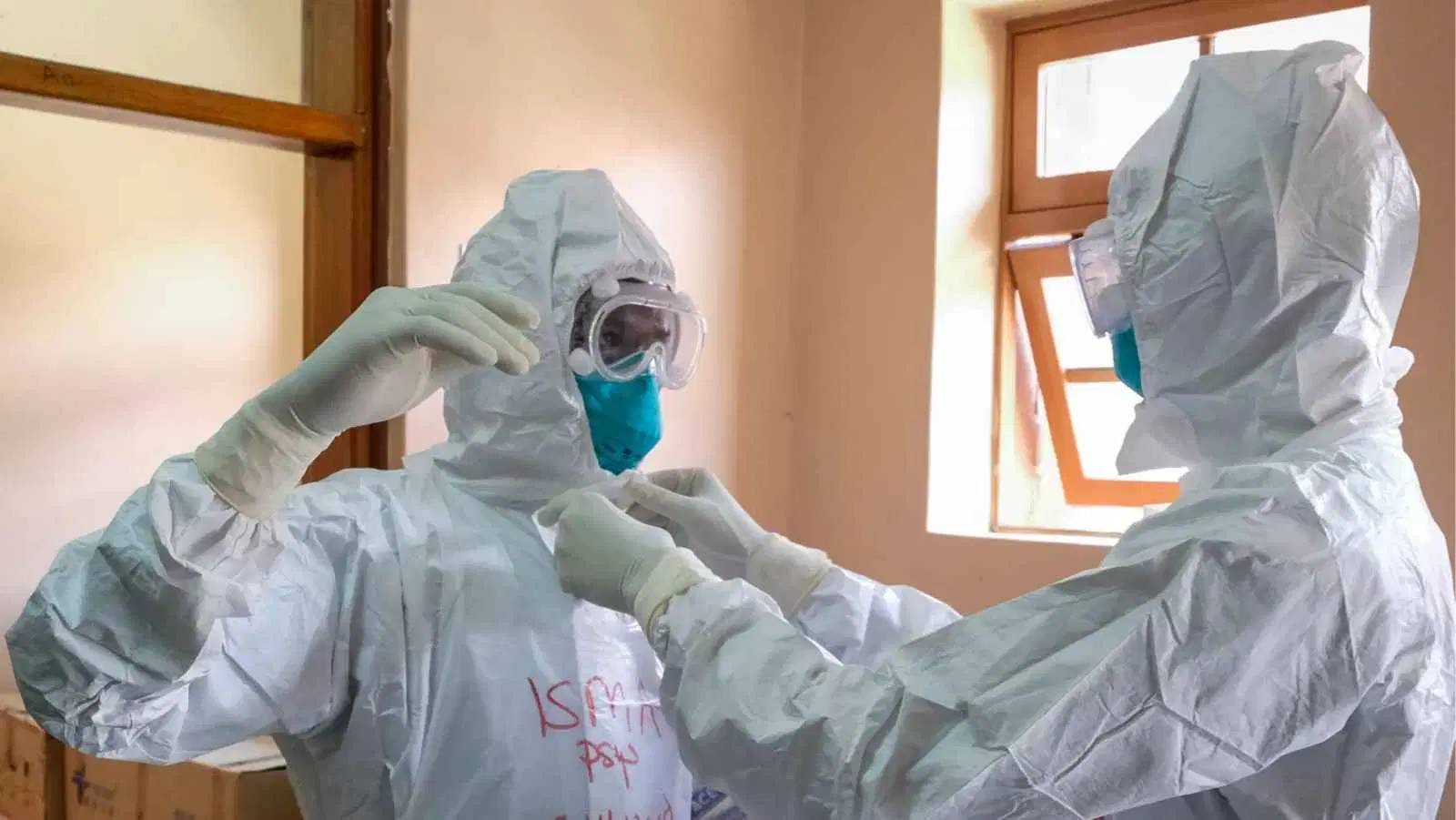
The recent confirmation of a new Ebola outbreak in the Democratic Republic of Congo has reignited deep concerns across Africa, with Nigeria once again placed on high alert over the risk of cross-border transmission. For health experts and policymakers, the development is a stark reminder that infectious diseases remain a persistent threat in a region where mobility is high and healthcare systems remain unevenly strengthened.
Twelve years after Nigeria successfully contained its 2014 Ebola outbreak, which claimed eight lives out of 20 confirmed cases, memories of that crisis are resurfacing as officials and experts assess whether the country is still equipped to respond with the same speed and coordination.
That earlier success was built on swift contact tracing, rapid isolation of patients, and decisive action by frontline health workers, including the late Dr. Stella Adadevoh, whose intervention is widely credited with preventing a nationwide catastrophe. Today, however, experts warn that many of those emergency structures have weakened or been neglected over time.
Health professionals interviewed for this report expressed concern that surveillance systems, laboratory capacity, and emergency preparedness mechanisms have not kept pace with evolving threats. In several states, infectious disease laboratories are reportedly under-equipped, while response teams face logistical and funding constraints that could slow down action in the event of an outbreak.
According to public health specialists, the greatest risk is not only the presence of the virus in parts of Central Africa, but the possibility of delayed detection if an infected traveller enters Nigeria unnoticed. They note that Ebola’s incubation period of up to 21 days allows carriers to move across borders before symptoms appear, making early diagnosis critical.
At airports and border posts, the Federal Ministry of Health and the Nigeria Centre for Disease Control and Prevention (NCDC) say enhanced surveillance measures have been reactivated, with rapid response teams placed on standby. However, experts argue that these steps, while important, may not be sufficient without stronger laboratory systems and consistent public health investment.
Virologists and epidemiologists have repeatedly emphasised that preparedness must go beyond temporary measures during outbreaks. They stress the need for permanent investment in diagnostic laboratories, trained personnel, and integrated surveillance systems capable of detecting multiple infectious diseases quickly and accurately.
Concerns have also been raised about declining public adherence to basic hygiene practices that became widespread during the COVID-19 pandemic, such as handwashing stations and temperature screening at public venues. Many of these preventive measures have since disappeared, raising fears of reduced public readiness in the event of a health emergency.
Despite these warnings, officials maintain that Nigeria is not currently facing any confirmed Ebola cases and that the country remains vigilant. The Ministry of Health has urged citizens to remain calm while continuing to observe basic hygiene and report any suspected symptoms promptly.
For experts, however, the central message remains clear: Nigeria’s past success against Ebola was not accidental, but the result of rapid action and strong coordination. Whether the country can replicate that response today depends not on memory, but on how quickly its preparedness systems can be strengthened before the next threat arrives.