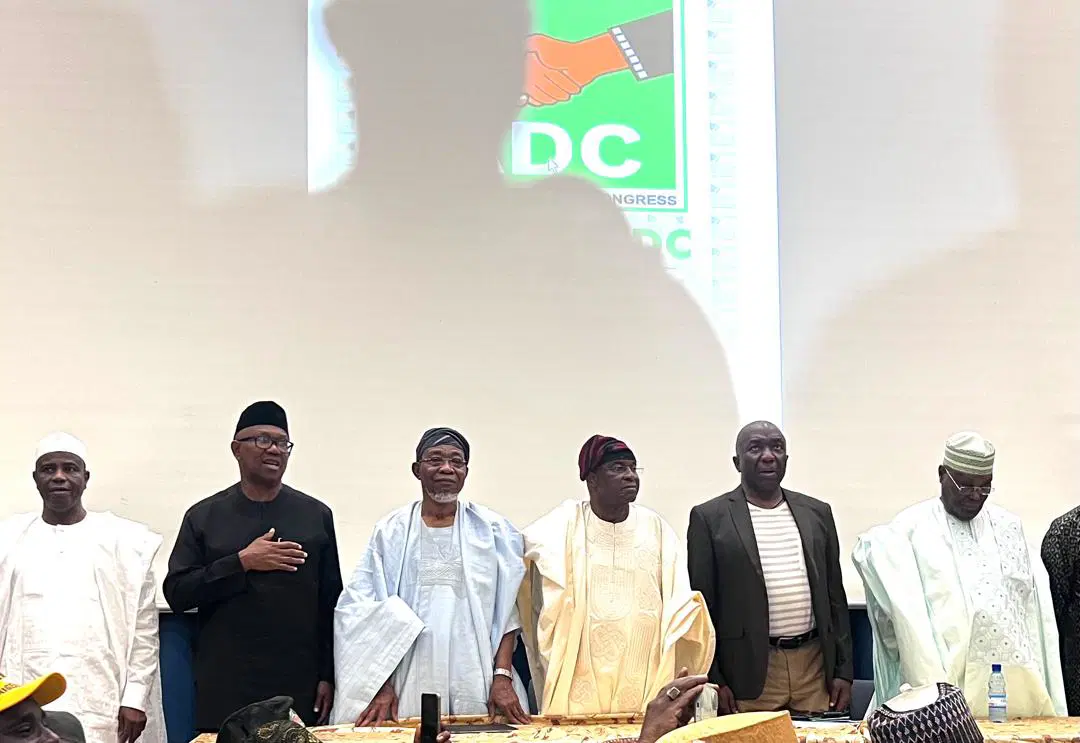
Nigeria’s political atmosphere is becoming increasingly charged as the African Democratic Congress (ADC) accuses the Independent National Electoral Commission (INEC) of deliberately creating obstacles that could prevent the party from fielding candidates in the 2027 general elections.
At the centre of the dispute is INEC’s refusal to continue receiving official correspondence from the ADC, pending the outcome of an ongoing court case over the party’s leadership. While the commission has not publicly responded, the ADC insists this move is more than a routine administrative decision. According to the party, it directly threatens its ability to meet key legal deadlines required under the Electoral Act.
The ADC argues that INEC had previously monitored its July 29, 2025 NEC meeting, accepted the outcome, and even recognised the leadership led by David Mark and Rauf Aregbesola. The party now says the commission’s sudden reversal is contradictory and suspicious, especially at a time when opposition parties are trying to consolidate ahead of 2027.
Adding to the pressure, the ADC youth wing has issued a 72-hour ultimatum, demanding that INEC restore the David Mark-led leadership on its official portal or face peaceful nationwide protests. The group also called for the removal of the INEC Chairman, accusing the electoral body of political interference and democratic sabotage.
The situation has taken on wider significance after Peter Obi’s camp also alleged a broader plot to deny opposition candidates access to the ballot. Although the APC has denied any involvement, the growing accusations are feeding public concern about the neutrality of democratic institutions.
Civil society groups have also weighed in, warning that any action capable of excluding opposition parties from the electoral process could seriously damage public confidence in the 2027 elections.
At a time when Nigerians are already deeply concerned about the future of democracy, INEC’s silence is only making the political tension louder.