This content has been archived. It may no longer be relevant
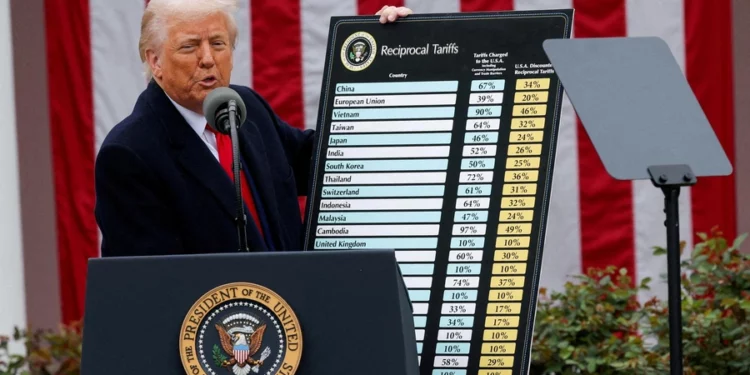
African governments are navigating a dramatically altered economic landscape under President Donald Trump, whose return to the White House has reshaped Washington’s approach to aid, trade and diplomacy. Ten months into his presidency, the continent is confronting steep US aid cuts, higher tariffs and sharp criticism of governance — yet showing a surprising degree of resilience as leaders adapt to this tougher environment.
Across the region, finance ministries have shifted toward tighter fiscal discipline and greater self-reliance. Governments from Ghana to Zambia are prioritising local production, reducing import dependence and strengthening their buffers against geopolitical shocks. Economists say many of these reforms were overdue but postponed during the years of generous donor funding and favourable global markets.
The pivot is already being reflected in financial markets. Ghana’s stock exchange has become the world’s best performer in dollar terms this year, with Zambia close behind. Investors appear to be rewarding countries that are building stronger domestic frameworks rather than relying on unpredictable US policy shifts. South Africa has similarly benefited, with its equities index on track for its strongest annual gain since 2006 and government bond yields dropping to record lows — despite being one of the main targets of Trump’s criticism over alleged violence against White Afrikaner farmers, claims widely dismissed by experts.
Still, major challenges persist. At the inaugural Bloomberg Africa Business Summit, industry leaders voiced concerns that shrinking US engagement and a widening global trade war could have severe long-term consequences. Sectors tied closely to American markets — especially automotive manufacturing and textiles — are already grappling with supply-chain disruptions, higher tariffs and reduced competitiveness. For economies relying on industrialisation to combat poverty and absorb millions of young jobseekers, the threat is significant.
The deepest blow, however, has landed on the continent’s poorest. Cuts to US aid have resulted in the scaling back or closure of humanitarian programmes, particularly in health, nutrition and education. Thousands of local workers tied to American-funded initiatives have lost their jobs, while experts warn that hard-earned progress in maternal health, early childhood education and food security now risks erosion.
Even so, African leaders are not closing the door on Washington. Diplomats say many still hope for a reset, acknowledging that despite increasing partnerships with Asia and the Middle East, the US remains vital in security cooperation, trade and investment.
For now, the continent is adjusting — rewriting budgets, forging new alliances and rethinking long-standing dependencies. The hope is that today’s turbulence will eventually open the path to a more balanced, mutually respectful partnership with the United States.