
When American warplanes struck suspected terrorist hideouts in Sokoto on Christmas Day, December 25, 2025, the Federal Government welcomed the move as a boost to its fight against terror. The expectation was clear: disrupt extremist networks and weaken their grip. But barely four weeks later, a different reality has unfolded across Northern Nigeria.
From Kaduna to Zamfara, Niger to Borno, Sokoto to Plateau, waves of killings and mass abductions have followed. What many hoped would mark a turning point has instead exposed how deeply complicated Nigeria’s security crisis has become. The strikes did not end terror; they appeared to rearrange it.
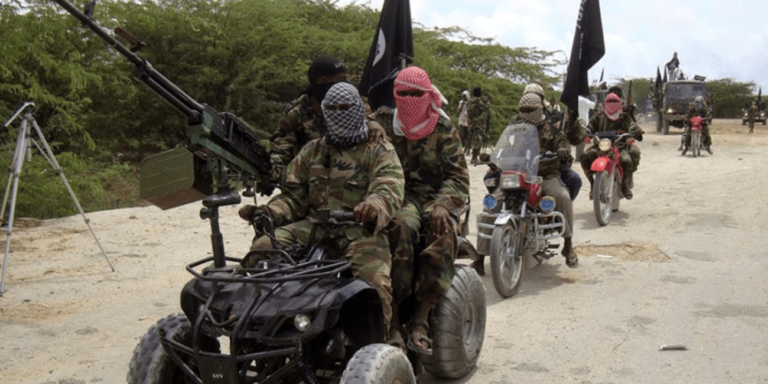
In the days after the airstrikes, attacks intensified across multiple states. Armed groups launched coordinated raids on rural communities, churches, markets, and highways. Security observers say the sudden disruption of some jihadist cells may have created a power vacuum quickly exploited by bandits and emerging hybrid groups blending ideology with criminal enterprise.
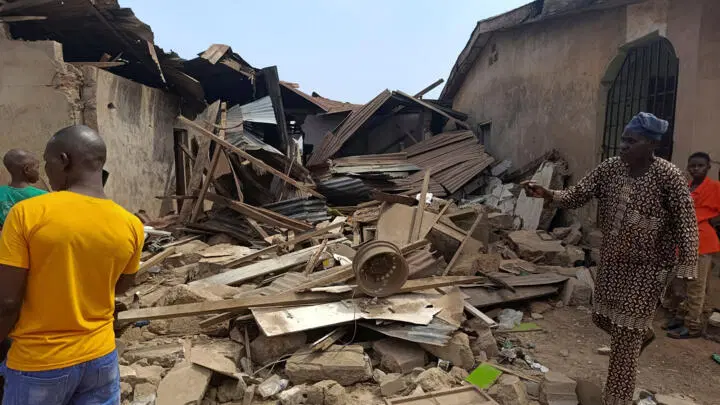
Kaduna became a grim symbol of the chaos when armed men stormed three churches during worship on January 18, abducting 177 people in one operation. Just days later, a Boko Haram suicide bomber rammed into a military convoy in Borno, killing five soldiers. Across the North-West and North-Central, villages were raided almost daily.
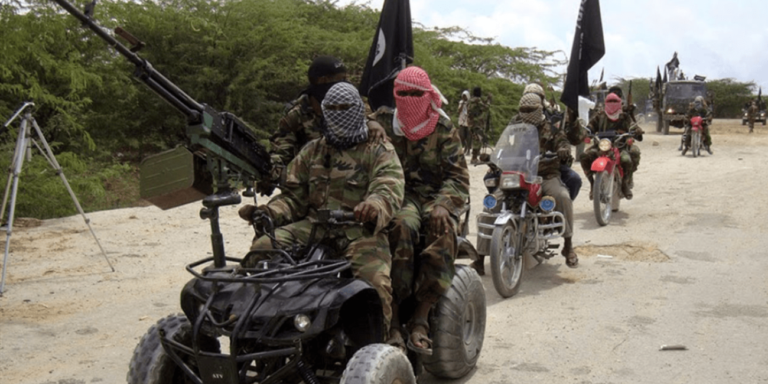
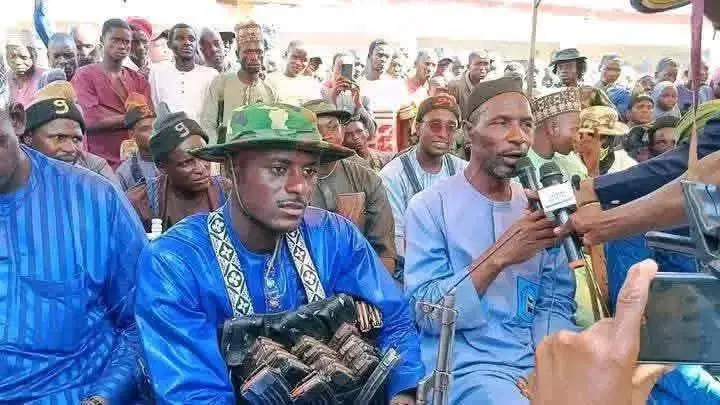
While Boko Haram and ISWAP continued attacks in the North-East, a new name began to surface more frequently in Sokoto and surrounding areas: Lakurawa. Security officials fear this group represents a dangerous fusion of Sahelian jihadist influence and Nigeria’s bandit economy, imposing taxes on communities, recruiting youths, and carving out territorial control.
Between December 26 and January 21, reports compiled from security sources and humanitarian groups indicate that at least 183 people were killed and 366 abducted. These figures are believed to be conservative, as many rural incidents go unreported or are underplayed.
A disturbing pattern also emerged: kidnapping has become highly organised. Armed groups now operate with structure—identifying targets, executing abductions, negotiating ransoms, and reinvesting proceeds into weapons and recruitment. What was once sporadic criminality now resembles a coordinated industry.
Security analysts remain divided on the long-term impact of the U.S. strike. Some argue it was necessary to check transnational jihadist expansion. Others believe it unintentionally accelerated the fragmentation of armed groups, making Nigeria’s conflict more scattered and harder to contain.
Beyond the bombs and bullets lies a deeper issue. Weak state presence in rural communities, poverty, unemployment, porous borders, arms proliferation, and governance gaps continue to fuel the violence. Without addressing these structural problems, military actions alone may bring only temporary relief.
Nigeria now finds itself at a dangerous crossroads, fighting not a single insurgency but overlapping threats from terrorists, bandits, and hybrid groups. The battle has no clear frontlines, and each strike risks shifting, rather than solving, the problem.