

Amnesty for Terrorists: Why Northern Leaders Are Pushing Back and Why the Debate Matters
By FIGO-CONNECT MEDIA
Documenting Truth. Defending the Public Interest.
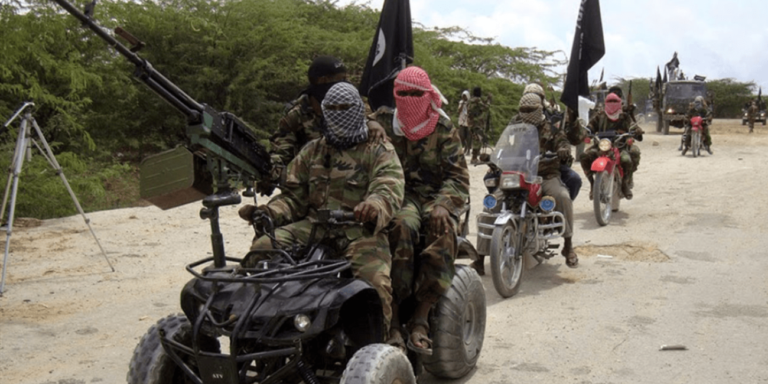
The recent proposal by the Katsina State Government to grant amnesty to about 70 terrorists has reopened one of Nigeria’s most sensitive and far-reaching debates: can peace be negotiated without justice, and who truly has the constitutional authority to forgive crimes committed against the Nigerian state and its citizens?
At the centre of this controversy is Katsina State Governor, Dikko Radda, whose reported plan to offer amnesty to armed terrorists has been presented as a peace-building measure. However, the proposal has triggered strong resistance from northern leaders, senior legal practitioners, and influential socio-religious groups, many of whom argue that such a move is not only dangerous but constitutionally questionable.
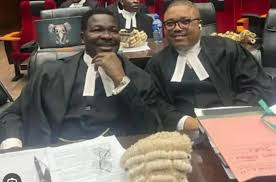
The debate intensified following comments attributed to the Office of the Attorney-General of the Federation suggesting that governors possess constitutional powers to grant pardon under the prerogative of mercy. This interpretation was swiftly challenged by several Senior Advocates of Nigeria and constitutional lawyers, who clarified that while governors may exercise clemency, such powers are limited to offences created under state laws. Terrorism, they argue, remains a federal offence, governed by federal legislation, and therefore lies outside the pardon powers of state governors.
Beyond the legal dispute lies a deeper moral and societal concern. Prominent northern socio-political and religious organisations — including the Arewa Consultative Forum (ACF), Middle Belt Forum (MBF), Coalition of Northern Groups (CNG), Christian Association of Nigeria (CAN), and the Northern States Christian Elders Forum (NOSCEF) — have publicly opposed any form of amnesty for terrorists. Their collective position is firm: forgiveness without accountability risks legitimising violence and betraying the victims of terrorism.
These groups warn that granting amnesty to individuals responsible for killings, kidnappings, and the destruction of communities could erode public trust in government, demoralise security agencies, and send a dangerous signal that armed violence is an effective route to negotiation and reward. In a nation already grappling with deep insecurity, such a precedent could weaken the rule of law and encourage further criminality.
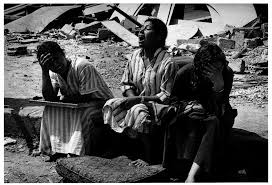
Many northern leaders further argue that genuine peace cannot be achieved through selective mercy. They insist that victims — families who have lost loved ones, communities displaced from their homes, and citizens living under constant fear — deserve justice, not silence. Amnesty, they caution, may offer short-term relief, but peace without justice is fragile and often temporary.
The dominant position emerging from this debate is not a rejection of peace, but a rejection of peace without accountability. Dialogue, rehabilitation, and reintegration may have their place, but only after the authority of the law has been upheld. Nigeria’s response to terrorism, critics insist, must reflect respect for constitutional order, human life, and the sacrifices of those defending the nation.
As this national conversation continues, one reality remains unavoidable: the question of amnesty for terrorists is a test of Nigeria’s commitment to justice, constitutional integrity, and democratic accountability. The decisions taken today will shape public confidence in governance and security for years to come.
FIGO-CONNECT MEDIA
Documenting Truth. Defending the Public Interest.