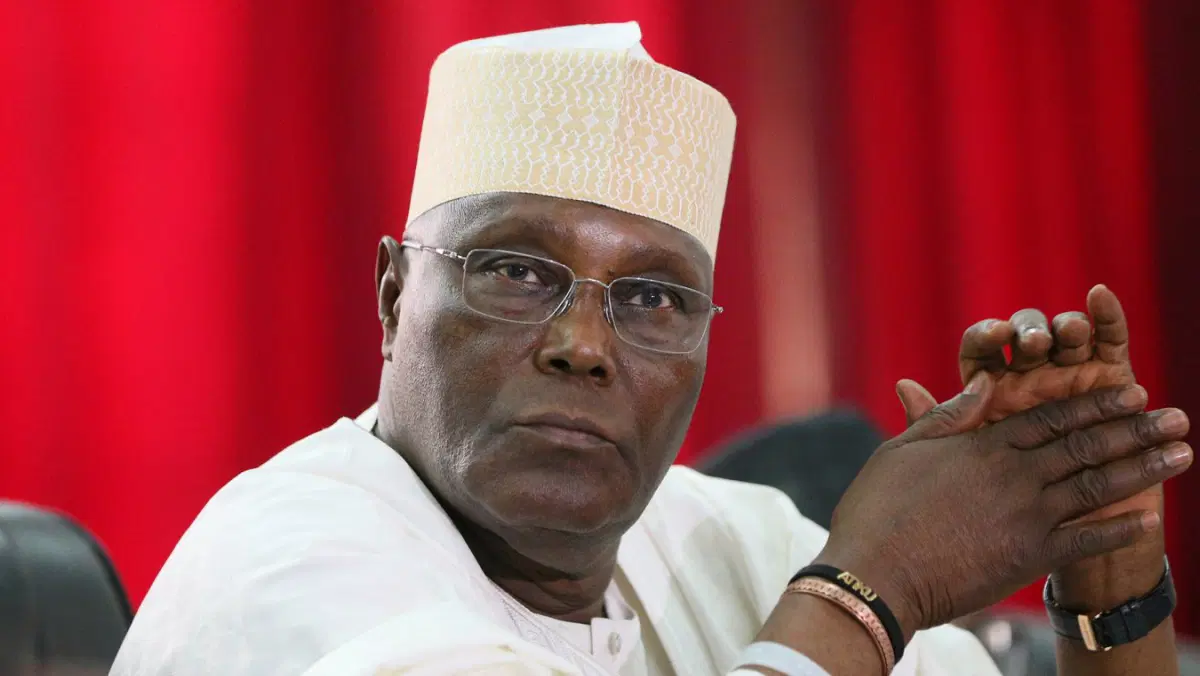
Years before WhatsApp and social media campaigns, Atiku Abubakar was already tracing Nigeria on a wooden table, state by state, dreaming of a presidency that has consistently eluded him. His pursuit of the highest office has been personal, relentless, and defined by patience shaped by past lessons.
From witnessing the annulment of Abiola’s mandate to serving as Vice President under Olusegun Obasanjo, Atiku’s political life revolves around a single goal: becoming Nigeria’s president. Yet, despite six attempts, he has failed each time, facing criticism that his persistence may border on political exhaustion, while loyalists hail his experience and vision for inclusive governance and national restructuring.
His 2022 PDP ticket, which defied the party’s zoning expectations, fractured the party and sowed distrust among southern leaders, leaving a lingering impact that still affects his alliances. Critics argue that his frequent party switches suggest a focus on elections over institution-building, weakening trust in key regions.
Now in the ADC, Atiku faces new challenges. While his supporters believe his wealth, experience, and networks can compensate for structural weaknesses, southern voters may remain skeptical. Atiku has signalled some flexibility, stating he might step aside for a widely accepted younger candidate—but whether this is strategic or sincere is unclear.
Atiku’s journey is a study in ambition, persistence, and the delicate art of coalition-building. As 2027 approaches, Nigerians must decide if his decades-long pursuit deserves one final chance, or if history has already answered the question of his presidency.