This content has been archived. It may no longer be relevant
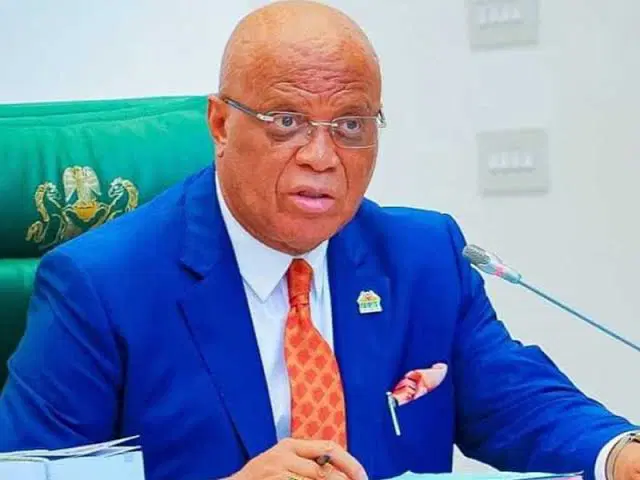
Governor Umo Eno’s decision to ban the public display of Ekpo masquerades in Akwa Ibom State has continued to spark intense backlash, with cultural groups, civil society organisations and legal experts describing the move as an attack on tradition and a misuse of executive authority.
The controversy began on November 30 when the governor announced the ban, citing security concerns. Days later, the decision was formalised through an Executive Order, a move that further heightened public reaction across the state.
According to the government, the ban followed intelligence reports suggesting that criminals were disguising themselves as masquerades to harass and assault members of the public. Acting on the directive, the Akwa Ibom State Police Command arrested some individuals accused of violating the order.
Commissioner of Police, Baba Mohammed Azare, said the arrests followed a distress call from a resident who alleged that armed masquerades attacked passers-by, including members of the National Youth Service Corps (NYSC).
Governor Eno, while defending the Executive Order, said masquerade activities had become a nuisance and posed serious security risks, especially along highways. He acknowledged that Ekpo is a cultural practice but insisted that it must not infringe on the rights, safety and freedom of other citizens.
Despite this explanation, the ban has drawn sharp criticism from cultural stakeholders and members of the public, who argue that public display is a core part of the Ekpo tradition among the Ibibio, Annang and Efik people. They insist that restricting it amounts to erasing a long-standing cultural identity.
Tensions escalated last week when a masquerade performer, David Effiong, was arraigned before Magistrate Court 1 in Uyo on charges including disturbance of public peace and terrorism-related offences. Effiong appeared in court wearing full masquerade regalia, a moment that further intensified public debate.
Human rights lawyer Ekom Nwoko, who represented the defendant pro bono, argued that the charges did not justify a remand order and urged the court to consider the cultural context of Ekpo. The Chief Magistrate agreed, granting bail and directing the police to file a formal charge, describing the remand application as inappropriate. The case was adjourned to December 19, 2025.
Following the court ruling, criticism of the ban grew louder. Public affairs analyst Owei Lakemfa accused the government of criminalising a cultural practice instead of isolating and prosecuting individual offenders, calling the policy discriminatory.
Other critics, including activists Assam Uwana and Zik Gbemre, argued that the governor should have engaged traditional rulers and masquerade groups to regulate excesses rather than imposing a blanket ban through an Executive Order. They warned that the approach could fuel public resentment and trigger further legal and cultural challenges.
Despite the mounting criticism, the Akwa Ibom State Government has maintained that the ban remains in force, insisting it is necessary to safeguard public safety and maintain order across the state.