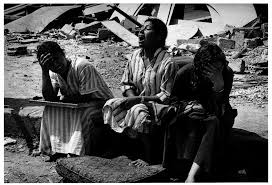


A Bayelsa State High Court has admitted the confessional statements of eight domestic workers of former First Lady Patience Jonathan into evidence, despite serious allegations that the statements were obtained under torture. The workers have been on trial since 2019 over the alleged theft of jewellery reportedly worth hundreds of millions of naira.
standarddailypress revealed that the decision followed a “trial within trial” to determine whether the confessions were voluntary. Sources close to the proceedings disclosed that the prosecution has now closed its case after six years of repeated delays, and the defence is set to present its arguments at the next adjourned date.
The confessions, according to the defendants, were forcefully obtained while in police custody, with officers reportedly beating and coercing them to sign statements. Family members described the court’s decision to admit these statements as shocking, noting that evidence of torture was clearly presented but still disregarded.
Originally, 15 domestic staff were accused of stealing jewellery from Mrs. Jonathan’s residence, though the number has since reduced following the death of Sahabi Liman in 2025. The defendants currently standing trial include Williams Alami, Vincent Olabiyi, Ebuka Cosmos, John Dashe, Tamunokuro Abaku, Emmanuel Aginwa, Erema Deborah, Precious Kingsley, Tamunosiki Achese, Salomi Wareboka, Sunday Reginald, Boma Oba, Vivian Golden, and Emeka Benson.
Reports show the trial has been marked by prolonged adjournments, delayed proceedings, and harsh detention conditions at the Okaka Correctional Centre in Yenagoa, where several defendants were held for years without bail. Testimonies describe abduction, flogging, and suspension for refusing to confess, with specific officers named in the alleged abuse.
Despite these grave allegations, no police officer has been investigated, and Mrs. Jonathan has not been summoned or questioned. Defence sources accuse her legal team of using procedural maneuvers to stall the trial, which has already claimed a life. Sahabi Liman, a former defendant, died in 2025 after a prolonged illness linked to the conditions of his custody.
The case continues to highlight serious concerns over due process, human rights, and accountability within Nigeria’s criminal justice system.