This content has been archived. It may no longer be relevant
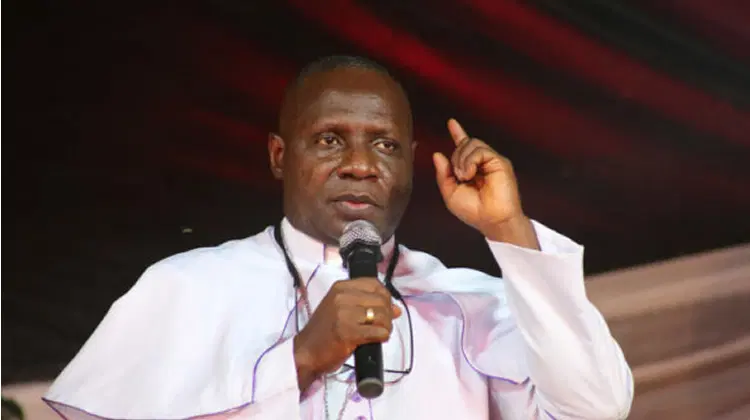
The Christian Association of Nigeria, CAN, has once again issued a grave warning over what it describes as a systematic, long-running genocide targeted at Christian communities across Northern Nigeria and the Middle Belt. Speaking at the opening ceremony of the association’s Fourth Quarterly National Executive Council meeting in Jos, CAN President, Archbishop Daniel Okoh, said the pattern of killings, displacement and destruction of settlements could no longer be dismissed as isolated incidents.
Addressing senior church leaders drawn from across the federation, Archbishop Okoh declared that CAN “stands unwaveringly” by its long-held position that Christians are facing an existential threat. He said the years of coordinated assaults, unpunished massacres, and the forceful uprooting of entire communities clearly fit the pattern of deliberate extermination. According to him, denying this reality would amount to a “grave injustice.”
The Archbishop recalled his recent visit to Bokkos in Plateau State, where thousands of Christians remain displaced after waves of violent attacks. Although the scars—both physical and emotional—were evident everywhere he turned, he said the resilience displayed by the victims was a profound reminder that faith remains unbroken even in the face of loss. He assured them that “the Body of Christ stands firmly with you” and that they are neither forgotten nor abandoned.
He lamented that in many communities, whole villages had been levelled without justice, while perpetrators continue to walk free. Victims, he noted, have not been compensated, nor have they been resettled. The persistence of killings, kidnappings and displacements, he said, reflects a national failure that should force a deep moral reflection.
Archbishop Okoh added that international organisations have now begun to take interest in the prolonged religious violence in Nigeria. Although this global attention is painful, he argued that it might be what finally compels decisive government action. “If international attention is what is required to spur decisive governmental action, then the Christian community in Nigeria welcomes it,” he stated.
He urged the federal government to take urgent steps to halt the ongoing destruction of lives and property, restore security in vulnerable communities, and ensure justice for those persecuted. He stressed that the continued existence of thousands of internally displaced persons in camps was both a humanitarian crisis and a moral indictment of the nation.
In his remarks, Plateau State Governor Caleb Mutfwang—represented by his deputy, Josephine Piyo—described the gathering as timely for a state that has witnessed some of the most painful episodes of ethno-religious violence in Nigeria’s history. He reaffirmed his administration’s commitment to restoring peace, securing rural areas, and resettling displaced persons. The governor also commended CAN for its steadfast advocacy, calling the church an indispensable partner in rebuilding trust and healing fractured communities.
With the rising insecurity across the North and Middle Belt, the meeting ended with renewed calls for justice, unity, and proactive leadership. According to CAN, Nigeria stands at a critical crossroads—one that demands moral courage, decisive action, and unwavering commitment to protect every citizen, regardless of faith.