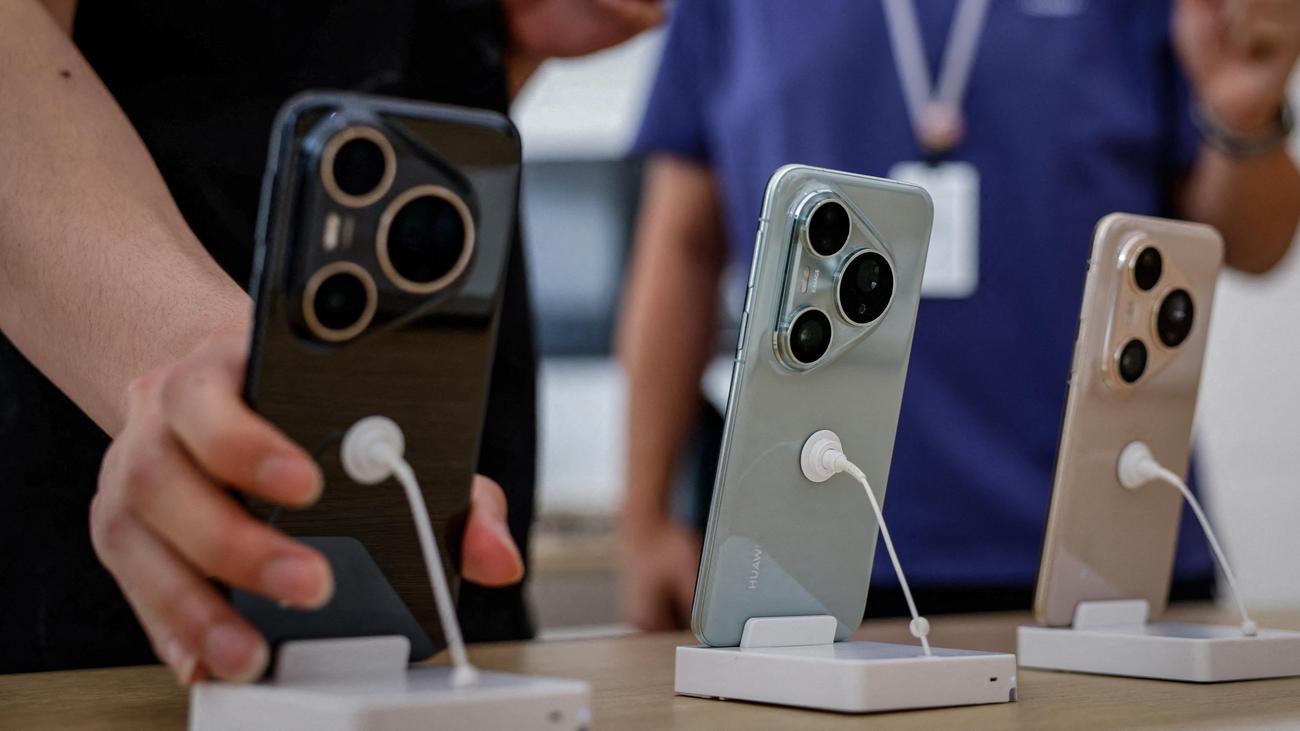
The Chinese technology group Huawei increased its profit in the 2025 financial year from the equivalent of almost 7.9 to 8.6 billion euros despite Western sanctions. Sales grew from around 108.5 billion to around 111 billion euros in the same period. In the Chinese smartphone market, Huawei has once again pushed its US competitor Apple out of the top position.
The economic success can be attributed primarily to the domestic market. Mobile operators in Germany must remove all Huawei and ZTE components from their 5G core networks by the end of the year. The deadline for access and transport network systems is 2029. Also on At the EU level, the Commission is now pushing for a binding ban
from high-risk providers in all Member States.
With the new Cyber Strategy 2026, the USA has now extended its restrictions to end customer hardware such as routers and drones. The United States strategyHowever, the attempt to cut off the Huawei Group from Western technology is considered a failure. Not only are Huawei smartphones in China Market leader, the Kirin 9020 – Huawei’s current high-end processor – is mass-produced in China despite strict Western embargoes.
Innovation in AI and mobility
In the past ten years, Huawei has invested 174 billion euros in research and development. The group spent the highest amount of around 24.2 billion euros in 2025 – which corresponds to 21.8 percent of total sales. The Chinese company is also catching up in the area of artificial intelligence. With the Ascend 950 AI chip announced for 2026, Huawei is positioning itself as a competitor to industry giants such as Nvidia in the area of local data centers.
The Huawei operating system HarmonyOS NEXT is no longer Android-based or Linux core instructed. By the end of 2025, over 36 million devices were already running the latest versions of this system. The company’s car business is also growing: the company delivered around 589,100 vehicles through the Harmony Intelligent Mobility Alliance (HIMA) in 2025, which corresponds to significant growth of 32 percent compared to the previous year.