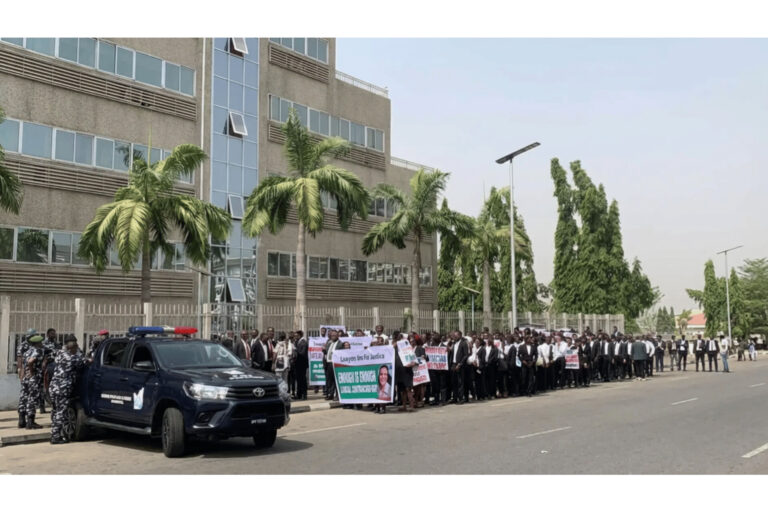


LAGOS, NIGERIA — The tranquility of the Mopo Ibeju community, situated behind the Shoprite corridor after Okun Ajah, has been shattered by a fresh wave of panic as residents accuse the Minister of Works, David Umahi, of orchestrating a massive “land grab” under the guise of the Lagos-Calabar Coastal Highway project.
The 150-Metre Conflict
While the original project alignment was previously resolved to avoid critical infrastructure—such as the Medallion Optic Fibre facility—new markings have appeared that tell a different story. Residents and investigators from Standard Daily Press report that the Minister has marked 150 metres (approximately 500 feet) on both sides of the road for demolition.
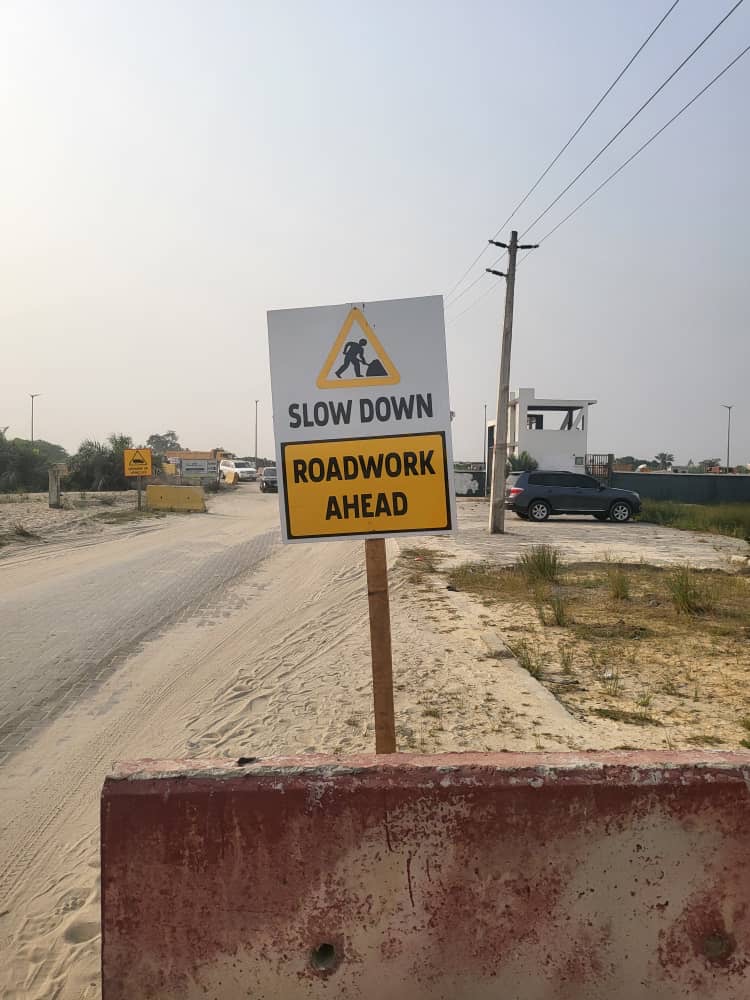
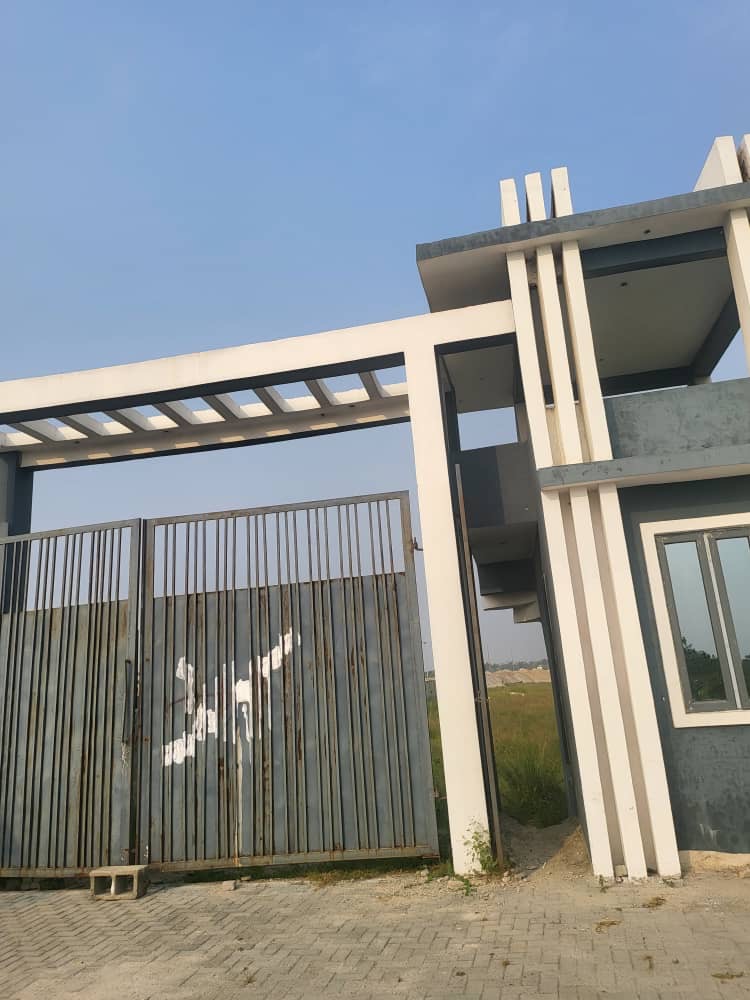
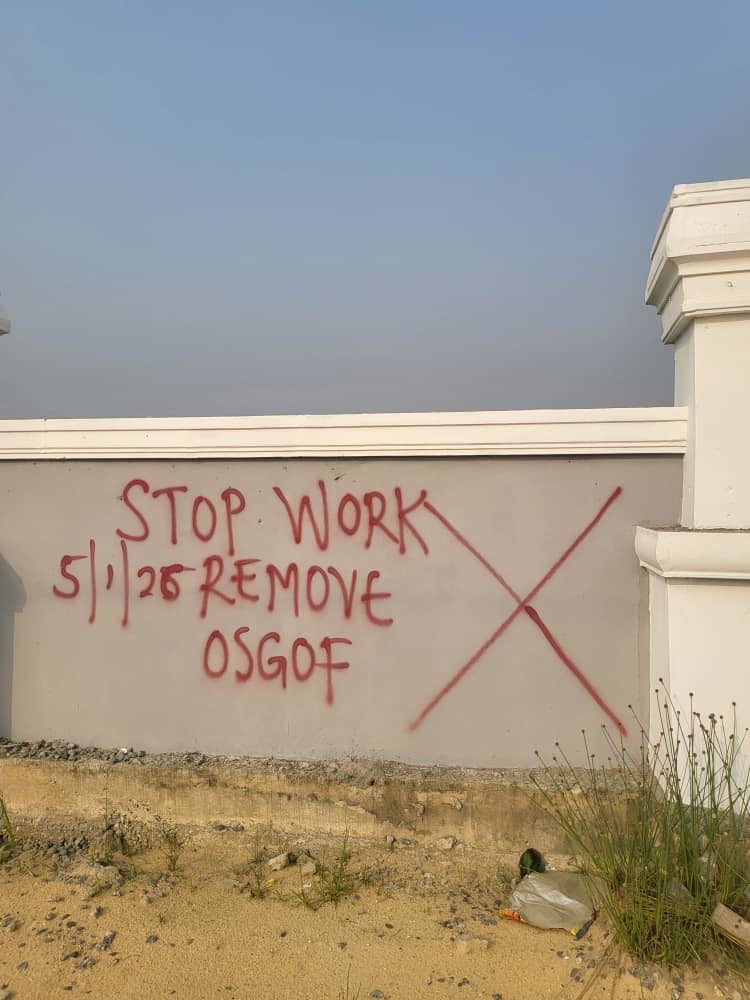
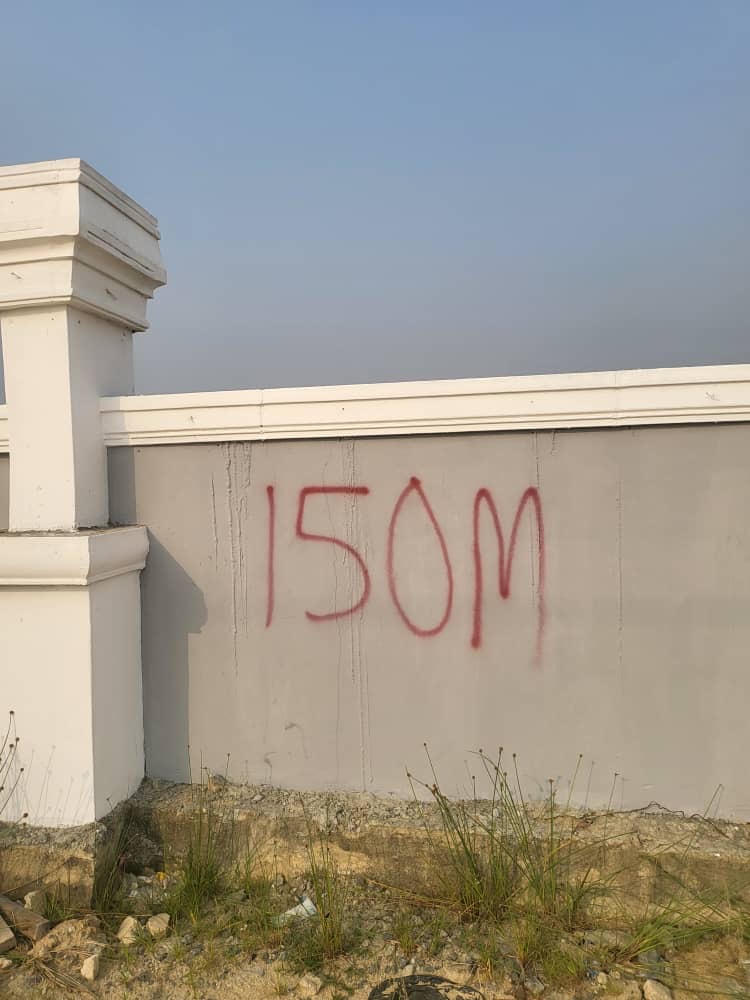
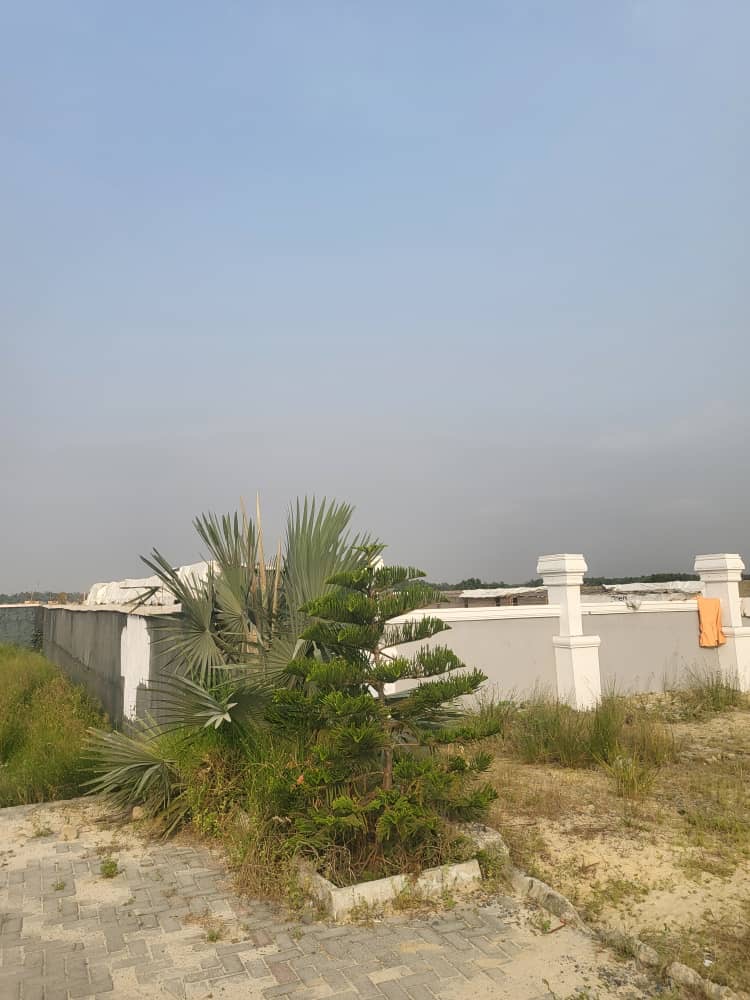
Stakeholders allege this vast expanse far exceeds the technical requirements for the highway and represents a brazen attempt at personal acquisition against the approved master plan.
A Community Under Siege
The implications of this “brazen lawlessness” are staggering. If the current markings are enforced, there would be massive displacement, thousands of indigenous people will be uprooted from their ancestral homes.
An audit by Standard Daily Press has identified over 37 housing estates currently in the crosshairs of the Minister’s bulldozers. Community leaders warn that the forced displacement of thousands of citizens could lead to “damning” security implications in an already sensitive region.
Echoes of Past Disputes
This development follows a history of friction in the area. Previously, the Ministry of Works was forced to reconsider the route to protect the Medallion Optic Fibre subsea cable landing station. However, residents argue that the Minister has now returned with a more aggressive “tyrannical” approach that prioritizes land acquisition over the lives and investments of Nigerian citizens.
”This is no longer about a road; it is about uprooting a people,” said one affected resident. “To take 150 metres on both sides is to wipe Mopo Ibeju off the map. We are calling on President Bola Ahmed Tinubu to intervene before this becomes a humanitarian and security disaster.”
The Human Cost
As the “ravaging bulldozers” loom, the Mopo Ibeju community remains in a state of high alert. Investors who poured billions into the 37 threatened estates, alongside indigenous families who have held their land for generations, are now united in a desperate plea for justice.
The Ministry of Works has yet to provide a technical justification for the 150-metre marking, leaving the public to fear that private interests are being served at the expense of the common man.