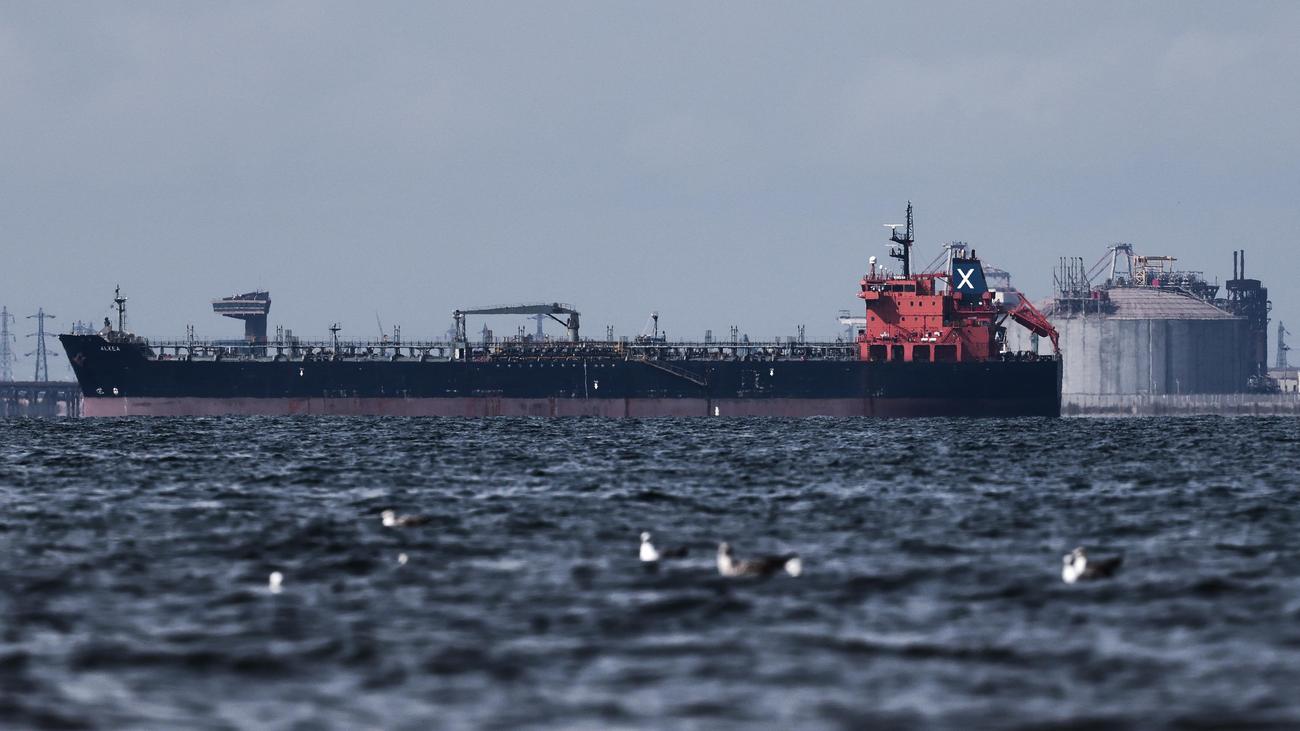
There are no signs of easing on the oil markets even after the release of oil reserves by the International Energy Agency (IEA). Concerns about a longer term Blockade of the Strait of Hormuz drove the Oil price again above the mark of 100 US dollars per barrel (159 liters).
The price for the North Sea Brent variety rose by more than nine percent to just under 102 US dollars per barrel. The US variety WTI rose in price to just under 96 US dollars. On Monday, both prices had already jumped by up to 30 percent to a peak of almost 120 US dollars.
The increase came after Oman withdrew all ships from its main export terminal and Iraq closed its oil ports. Two tankers had previously been attacked in Iraqi waters.
The IEA announced on Wednesday that it would release a record amount of strategic oil reserves. In total there will be 32 member countries Put 400 million barrels of crude oil on the marketincluding Germany with several million barrels.
The USA is contributing 172 million barrels of oil
As part of the agreement, the USA wants to provide 172 million barrels of oil from its strategic petroleum reserves, as US Energy Secretary Chris Wright announced. The minister said the release should begin next week and take about 120 days at the planned delivery rates. He also said the US would replenish around 200 million barrels within the next year.
The released reserves of the IEA members could be sufficient to cover the Blockade of the Strait of Hormuz for some time. According to the IEA, an average of 20 million barrels per day passed through the strait last year. The announced 400 million barrels would be enough to compensate for a shortfall for 20 days. However, it could take weeks or even months for the oil to arrive.
Meanwhile, the shock waves of the war are being felt by consumers all over the world: In Germany this week, even the average price for the cheapest common type of gasoline, E10, rose to over two euros per liter. The federal government wants Therefore, prohibit gas stations from raising prices more than once a day. In the USA – itself one of the largest oil producers in the world – gas stations are also showing the highest prices since 2024.
The consequences are likely to be particularly serious for Asia. Four out of five oil barrels that pass through the Strait of Hormuz go there, according to the IEA. Several stock markets in Asia collapsed as oil prices rose.