This content has been archived. It may no longer be relevant
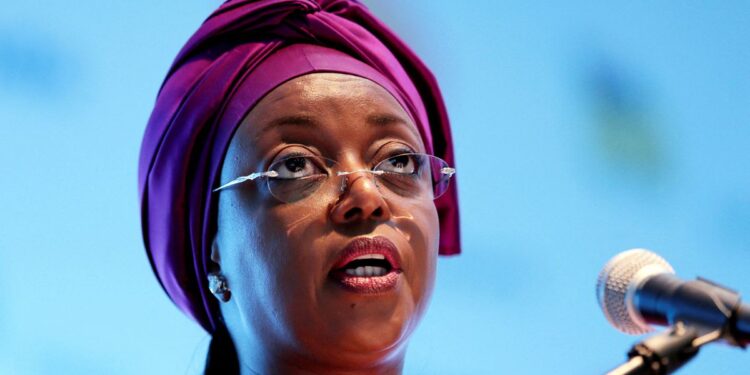
A former Nigerian minister who once oversaw the country’s powerful oil sector appeared before a London court as British prosecutors opened a major corruption trial linked to alleged bribes from energy industry figures. Diezani Alison-Madueke, who served as minister of petroleum resources from 2010 to 2015, has pleaded not guilty to all charges.
The case, being heard at Southwark Crown Court, is regarded as one of the most significant international corruption trials involving a former African cabinet member. It revisits long-standing concerns about governance in Nigeria’s oil industry and the growing role of foreign courts in pursuing alleged cross-border financial crimes.
Opening the proceedings, prosecutor Alexandra Healy told jurors that Alison-Madueke “enjoyed a life of luxury in London” during her time in office. The prosecution alleges that businessmen with interests in Nigerian oil contracts provided her with upscale accommodation, private travel, chauffeured vehicles and expensive consumer goods.
According to prosecutors, those offering the benefits believed she could use her influence to favour them in the awarding or retention of petroleum contracts. While the court heard there is no claim that contracts were given to unqualified firms, the prosecution argues that accepting such benefits while in office was improper given her position.
Alison-Madueke was charged in 2023 with five counts of accepting bribes and one count of conspiracy to commit bribery. She is standing trial alongside oil executive Olatimbo Ayinde, who faces related bribery charges, and her brother, Doye Agama, who is accused of conspiracy to commit bribery. Both have also pleaded not guilty.
Prosecutors allege that between 2011 and 2015, she received several financial benefits, including access to a private jet and luxury goods allegedly purchased during a 2013 shopping trip to Harrods. The court also heard claims that school fees for her son were paid by a Nigerian businessman named in the indictment but not on trial.
Ayinde is further accused of paying a bribe in 2015 to a senior Nigerian oil official following a change in government, allegedly to secure continued influence within the Nigerian National Petroleum Corporation. The official mentioned is not facing charges in the case.
Nigeria remains Africa’s largest oil producer, but decades of mismanagement and weak oversight have limited how much the sector benefits the wider population. Analysts say the London trial highlights how international legal systems are increasingly involved in cases linked to strategic commodities like oil and gas.
The case is ongoing, with further hearings expected in the coming weeks.