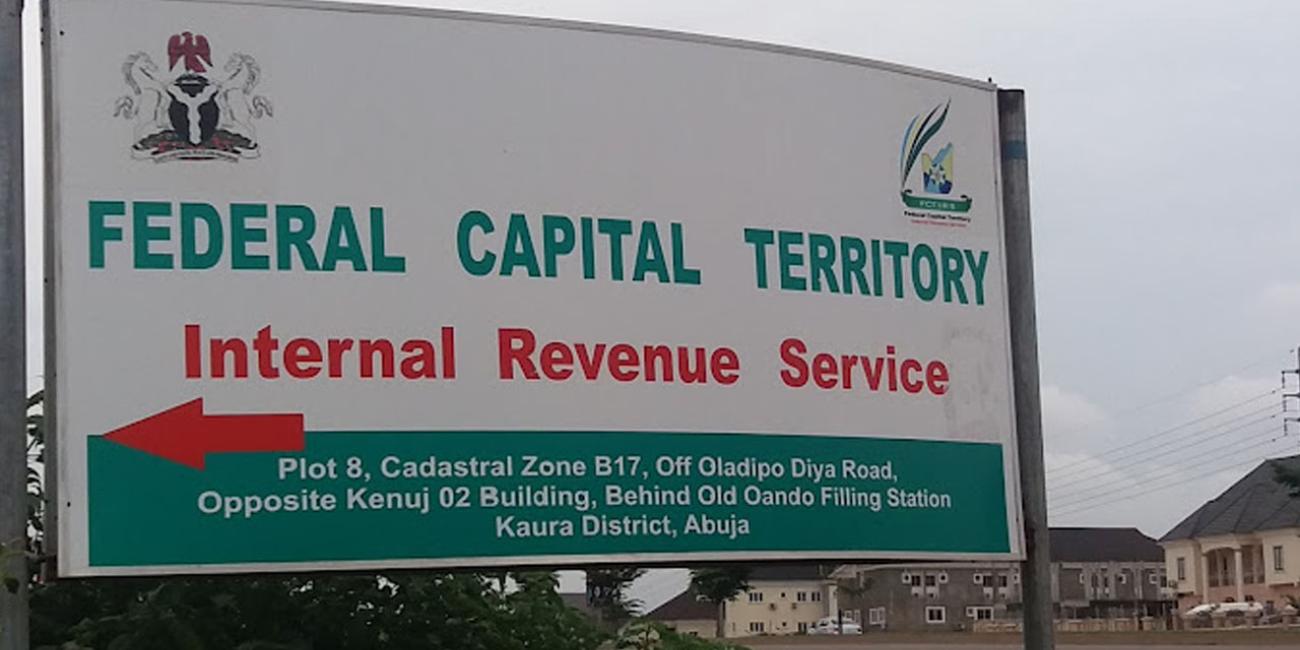
The Federal Capital Territory Internal Revenue Service (FCT-IRS) has extended the deadline for filing individual annual income tax returns by one month, shifting it from March 31 to April 30, 2026.
The announcement was made on Tuesday in a statement issued by the Acting Executive Chairman of the agency, Michael Ango, who said the extension was introduced to give taxpayers more time to meet their obligations without unnecessary pressure.
According to him, although March 31 remains the official statutory deadline every year, the extra time is meant to make compliance easier and allow residents to file more accurately. He explained that the move would also help improve the overall level of tax compliance across the Federal Capital Territory.
Ango urged residents not to treat the extension as an excuse for delay, stressing that taxpayers should still make it a priority to submit their returns as early as possible. He said annual tax filing should not just be seen as a legal duty, but also as a civic responsibility that supports public development and governance.
He also reminded taxpayers that the agency has fully moved away from manual submissions, noting that all returns must now be filed electronically through the official FCT-IRS tax portal. According to him, the platform has been designed to be secure, efficient, and easy for taxpayers to access and use.
The FCT-IRS boss further advised residents to ensure that their personal information is entered correctly while registering or filing online. He specifically mentioned details such as National Identification Number (NIN), phone numbers, and residential addresses, warning that errors in those areas could lead to unnecessary delays in processing.
For those experiencing difficulty with the process, Ango assured that support remains available. He encouraged taxpayers to either visit any FCT-IRS office or reach out through the agency’s official communication channels for assistance.
The statement, signed by Mustapha Sumaila, reaffirmed the service’s commitment to improving tax administration and encouraging better compliance within the Federal Capital Territory.