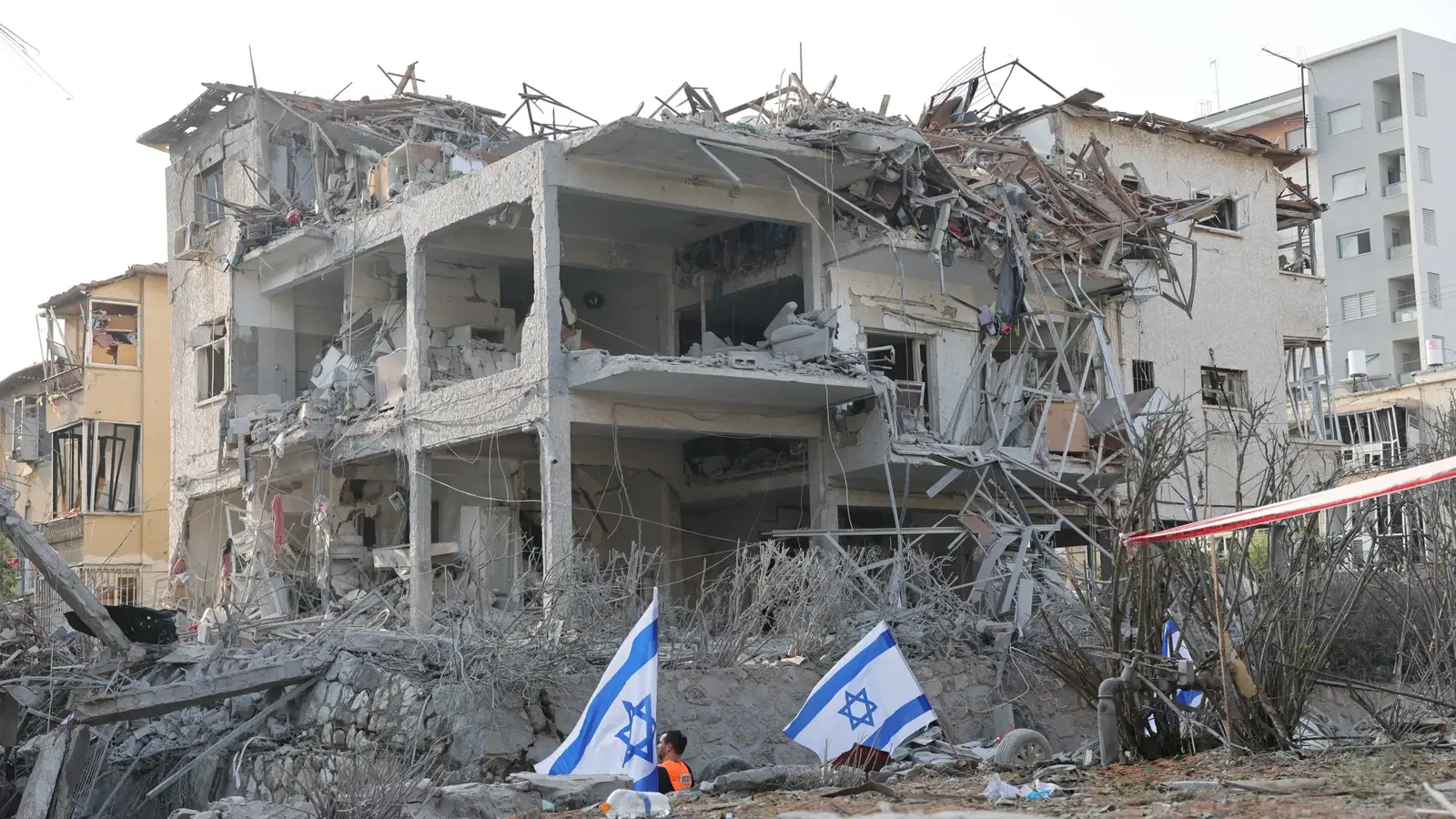
Fresh tension gripped Israel on Thursday after the country’s military said its air defence systems were activated in response to missile attacks launched from Iran, with medics reporting that at least two people were lightly injured and some residential buildings were damaged. Recent reporting from Israeli media also said sirens were heard across central parts of the country, including Tel Aviv and parts of Jerusalem, as residents were forced back into shelters.
According to Israel’s emergency service, Magen David Adom, the strike caused damage to several houses in the central city of Kafr Qassem. The city’s mayor, Haitham Taha, said the damage was linked to cluster munitions, adding another layer of concern to an already volatile situation. Israel’s military also confirmed that rescue teams from the Home Front Command were sent to an impact site in central Israel.
In two separate updates issued about 20 minutes apart, the Israeli military said it had detected missiles launched from Iran toward Israeli territory and that defensive systems were working to intercept the threat. Shortly after both alerts, authorities announced that residents across the country were allowed to leave protected spaces, suggesting that the immediate wave of danger had passed — at least for the moment.
The latest attack came more than 14 hours after the military had earlier announced another incoming missile threat from Iran, showing that the pressure has not eased. What makes the situation even more serious is that the latest barrage did not happen in isolation. Overnight, central Israel also came under fire from Lebanon, where the Iran-backed group Hezbollah claimed responsibility for a series of attacks targeting military sites. Israeli reports said several rockets were intercepted, but the message was clear — the security pressure on Israel is now coming from multiple fronts.
Taken together, the latest strikes show how quickly this conflict is continuing to expand in both intensity and reach. What might look like “just another exchange” on paper is, in reality, another reminder that civilians are once again caught in the middle of a dangerous regional confrontation that is becoming harder to contain.