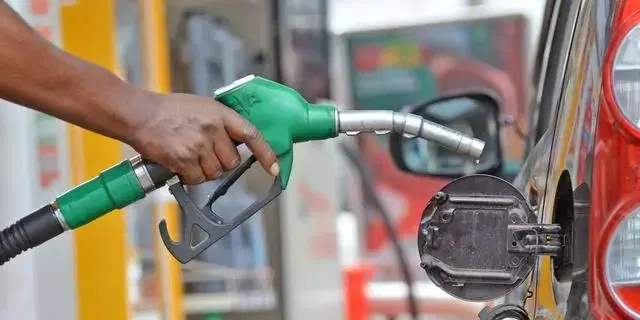
In a reassuring move for Nigerians already grappling with economic hardship, the Chairman of the Presidential Committee on Fiscal Policy and Tax Reforms, Mr. Taiwo Oyedele, has announced that the proposed 5% fuel surcharge will not be implemented until key economic indicators show significant improvement.
Speaking at the Haulage and Logistics Magazine Conference & Exhibition in Lagos, Oyedele explained that while the surcharge is a well-intentioned policy to fund road maintenance, introducing it now would worsen the financial burden on citizens. “We said no — introducing such a tax now would be insensitive,” he said firmly.
The proposed surcharge, he noted, dates back to the Olusegun Obasanjo administration and was designed to channel part of fuel revenues into road repairs — with 40% allocated to federal roads and 60% to state and local governments. The policy, he added, is already being practiced in over 150 countries globally.
Oyedele revealed that although the Federal Roads Maintenance Agency (FERMA) requested to begin collecting the levy following fuel subsidy removal, the committee rejected the idea, prioritizing economic stability over revenue generation. He clarified that the measure will only take effect when conditions are favorable — specifically when the naira appreciates or global crude oil prices fall, to prevent a hike in pump prices.
He also outlined ongoing tax reforms aimed at providing relief for the haulage and logistics industry by eliminating multiple taxation, reducing operational costs, and improving efficiency. Under the new framework, transport and logistics businesses with annual turnover below ₦100 million will be exempt from company income tax, while eligible operators will enjoy VAT refunds and tax incentives.
Oyedele concluded that the broader tax reform agenda seeks to simplify Nigeria’s tax system, making it transparent, fair, and development-driven. “We are not introducing new taxes,” he emphasized, “we are cleaning up the old system to make it work better for Nigerians.”