Gen. Musa Vows ‘No Negotiation with Terrorists’ as Nigeria Moves to Death Penalty for Kidnappers
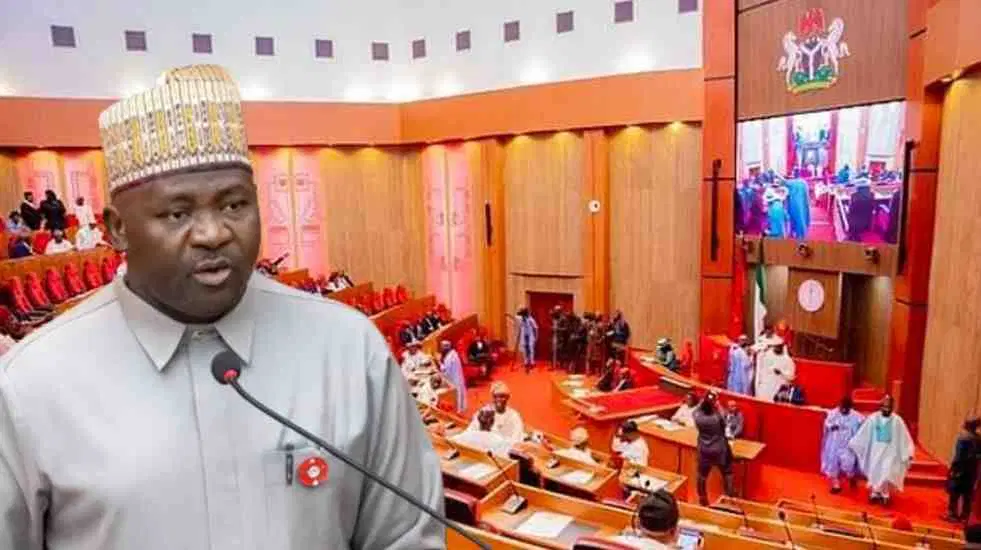
Nigeria’s new Minister of Defence, General Christopher Musa, has taken a hardline stance against criminals, insisting there should be no negotiation or ransom payments to terrorists. Speaking during his Senate screening on Wednesday, Musa warned that paying ransoms only strengthens criminal networks, allowing them to regroup, re-arm, and launch further attacks.
The retired general also highlighted the urgent need for a unified national database linking citizens’ identities, banking records, and security systems. “Something as simple as a unified database for all citizens is urgently needed,” Musa said. “Once you commit a crime, it should be easy to track and trace you.”
Musa stressed that military action alone cannot defeat insecurity, which is fueled by poverty, illiteracy, weak local governance, and slow justice processes. He called for urgent legal reforms, including special terrorism courts and faster trials, to restore morale within security agencies.
At the same time, the House of Representatives adopted a sweeping set of reforms aimed at overhauling Nigeria’s security landscape. The resolutions include open and transparent prosecution of terrorism cases, better intelligence coordination, improved welfare for security personnel, and stricter penalties for financiers and collaborators of kidnappers.
The Senate moved in tandem, pushing for amendments to the 2022 Terrorism (Prevention and Prohibition) Act, including the death penalty for kidnappers and their sponsors, declaring that acts of kidnapping now meet the definition of terrorism. Senators like Adams Oshiomhole and Orji Kalu emphasized that harsh penalties were needed to deter repeat offenders and protect communities.
Musa also raised concerns about maritime crime, illegal mining, and cultism, warning that these activities finance armed groups. He announced plans to redeploy soldiers from routine checkpoints to strategic operations in forests and ungoverned areas, prioritizing food security and safe access to farmlands.
Human rights lawyers weighed in on the House’s call for open trials. While Evans Ufeli supported transparency with proper witness protection, Deji Adeyanju criticized the approach, saying many politicians maintain covert ties with terrorists, making such trials ineffective unless accountability reaches all levels.
With both the executive and legislature taking decisive steps, Nigeria appears ready to toughen its fight against terrorism, kidnapping, and insecurity, balancing military action with legal and technological reforms.


Post Comment