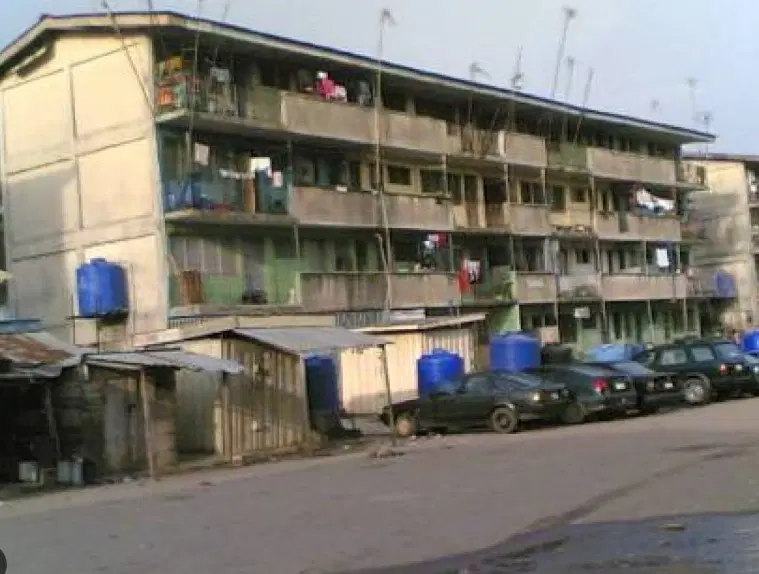
Across major cities in Nigeria, a quiet but dangerous housing crisis is unfolding, forcing families to relocate, downgrade their living conditions, or fall into debt. What makes it more troubling is that this crisis is not caused by war or disaster, but by relentless and often arbitrary rent increases driven by landlords and agents. For many Nigerians today, the question is no longer where to live, but whether they can afford to live at all.
From Lagos to Abuja, Port Harcourt, Kaduna, and Kano, the story is the same—soaring rents, sudden eviction notices, and increasing desperation among residents. Experts estimate that Nigeria faces a housing deficit of nearly 15 million units, with a need to build about 550,000 homes yearly to bridge the gap.
The situation is even worse when combined with rising inflation, expensive transportation, and stagnant wages. Many urban dwellers now live under constant fear of eviction, unable to meet sudden rent hikes that sometimes double without warning or improvement in property conditions.
In Lagos, the country’s commercial hub, rent has become a major survival challenge. Tenants recount shocking experiences of receiving abrupt rent increases via WhatsApp messages, sometimes jumping from hundreds of thousands to millions of naira. Families who once lived comfortably are now being pushed out, while others are forced into shared apartments or distant suburbs.
The role of estate agents has also come under scrutiny. Many tenants accuse them of inflating rents, creating artificial competition, and adding multiple charges such as agreement and commission fees—sometimes totaling up to 30% of annual rent. This has turned the simple act of renting a house into a financial and emotional burden.
While landlords argue that rising costs of building materials and maintenance justify the hikes, tenants insist most increases are unjustified. Many buildings remain unchanged, yet rents continue to rise sharply. Attempts to negotiate often end in eviction threats, leaving tenants with little choice but to comply or relocate.
Across other states like Ibadan, Akure, and Enugu, the crisis is no different. Low-income earners are hit the hardest, with many forced into smaller, overcrowded spaces or pushed out of cities entirely. Some now spend a significant portion of their income on rent alone, leaving little for food, healthcare, or savings.
Although laws exist to regulate tenancy and protect renters, enforcement remains weak. Many tenants avoid legal action due to cost, time, and fear of losing their homes. As a result, landlords and agents continue to operate with little accountability.
At its core, this is more than just a housing issue—it is a human crisis. It reflects a widening gap between income and living costs, where millions are being priced out of basic shelter. If urgent action is not taken through housing reforms, regulation, and increased supply, the dream of affordable living in Nigeria’s cities may soon become out of reach for the average citizen.