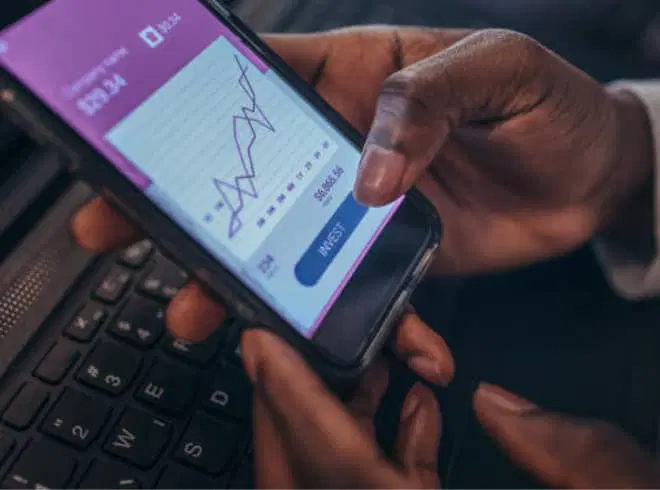
Mobile trading is no longer something reserved for a small group of tech-savvy investors in Nigeria. It has grown into a widespread shift in behaviour, combining convenience, ambition and easy access to global financial markets. For many young Nigerians, trading on a smartphone now feels like a natural part of everyday life.
This change has created a trading environment driven by mobility and a strong desire for financial independence. With smartphones always within reach, trading no longer requires sitting behind a desk or owning expensive equipment.
At the centre of this growth is accessibility. Smartphones are everywhere, and young Nigerians already use them for banking, work, entertainment and communication. Adding trading apps to that mix feels seamless. Instead of waiting to get home to a computer, traders now check markets while commuting or during short breaks in the day.
Lower data costs and improved mobile network coverage have also played a major role. Traders can stay connected even during volatile market moments, react quickly to price movements and build confidence over time. This constant access has helped make trading feel more realistic and achievable.
Mobile trading apps have also changed how people learn. Forex is often seen as complex, but many apps now present charts, tools and learning materials in a simple and friendly way. Features like copy trading and demo accounts allow beginners to observe experienced traders while testing strategies with minimal risk.
Beyond the apps, online communities have grown around mobile trading. Traders share experiences, analyse losses and exchange tips, turning learning into a shared journey rather than a lonely process. This sense of community has helped normalise trading as part of daily life.
Flexibility remains one of the biggest advantages. Mobile trading fits easily into Nigeria’s fast-paced, multi-income lifestyle. Traders can act on opportunities without disrupting their routines, using alerts instead of spending hours on analysis.
As mobile trading continues to spread, it is shaping a more independent financial culture. While risks remain and education is crucial, smartphones are clearly redefining how Nigerians engage with money, opening doors to a more connected and agile trading future.