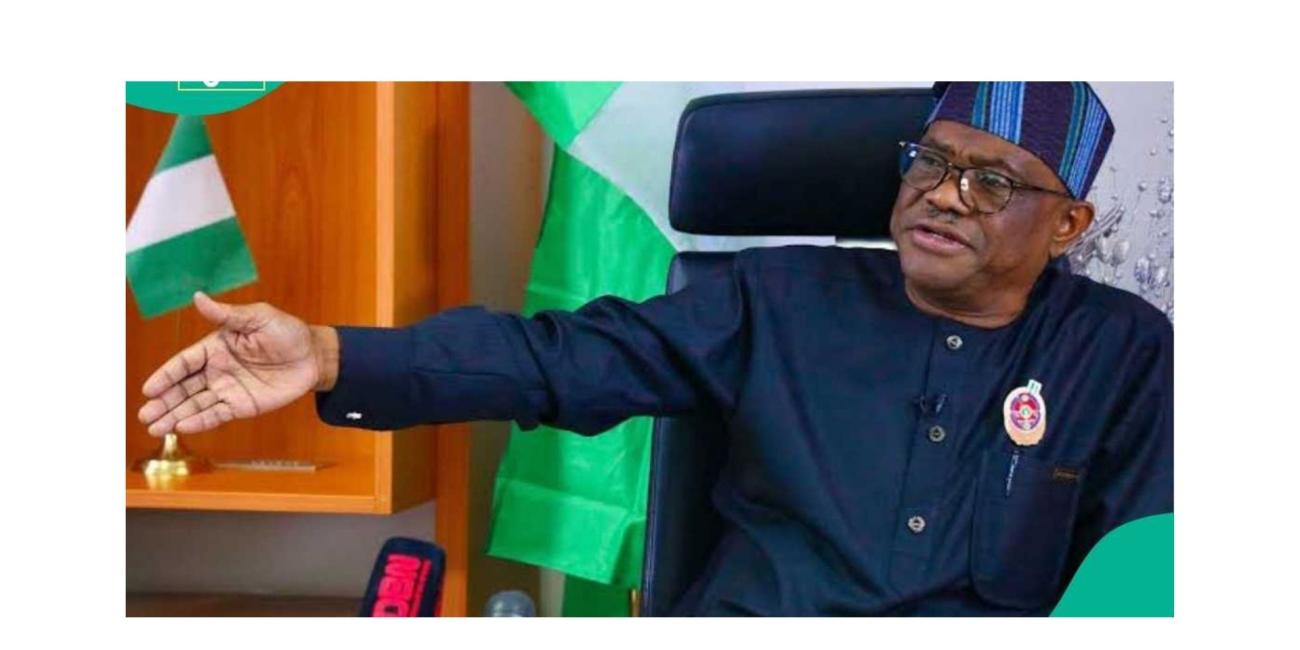
Fresh allegations have thrown Nigeria’s electoral space into another round of controversy, with claims emerging that senior officials of the Independent National Electoral Commission may have been compromised through land allocations and financial inducements allegedly linked to Nyesom Wike.
According to a report by SaharaReporters, more than 29 top officials within INEC were allegedly offered plots of land in the Federal Capital Territory, alongside financial incentives reportedly worth over $50,000 each. If true, the claims would strike at the very heart of Nigeria’s democratic credibility, especially with political tensions already building ahead of the 2027 elections.
Those reportedly named in the allegations include the Commission’s Secretary, several National Commissioners, and a number of Directors. The report also alleged that the INEC Chairman, Prof. Joash Amupitan, may have indirectly benefited through a proxy arrangement involving a large parcel of land said to be over 30 hectares. The alleged plots were initially said to have come with Rights of Occupancy, but were later reportedly at risk after required Certificate of Occupancy fees were not paid within the stipulated period.
What makes the story even more sensitive is the claim that some of these allocations were allegedly salvaged through financial support or outright waivers, allowing beneficiaries to retain ownership without paying personally. With each plot reportedly valued at over ₦180 million, the allegation has naturally raised serious public concern about whether Nigeria’s electoral umpire can truly remain independent if such relationships exist.
So far, there has been no publicly available direct response from Nyesom Wike or the office of the INEC Chairman specifically addressing these land inducement claims in the cited report. That silence is only adding more fuel to an already tense political atmosphere.
The timing of the allegations is what makes this even more explosive. Just days ago, INEC removed the names of David Mark and Rauf Aregbesola from its portal as leaders of the African Democratic Congress, citing a subsisting court dispute and a Court of Appeal order to maintain the “status quo ante bellum.” INEC insists it acted strictly in line with the law and the court’s preservatory order, not politics.
But opposition voices are not buying that explanation. The ADC has accused INEC of siding with the ruling establishment, while the APC has dismissed the crisis as self-inflicted by the opposition. In short, both sides are now fighting not just over party leadership, but over whether Nigeria’s electoral process itself can still be trusted.
At the centre of all this is one uncomfortable question: Can an electoral body accused of political proximity still convince Nigerians it is neutral?
That is the real issue here. Because whether these allegations are eventually proven or disproven, public trust is already taking a hit. And once citizens begin to doubt the independence of institutions like INEC, every future decision — legal or not — starts to look suspicious.
As Nigeria moves closer to 2027, this is no longer just about one party, one court order, or one minister. It is now about whether the country’s democratic referees can still be seen as referees — and not players on the pitch.