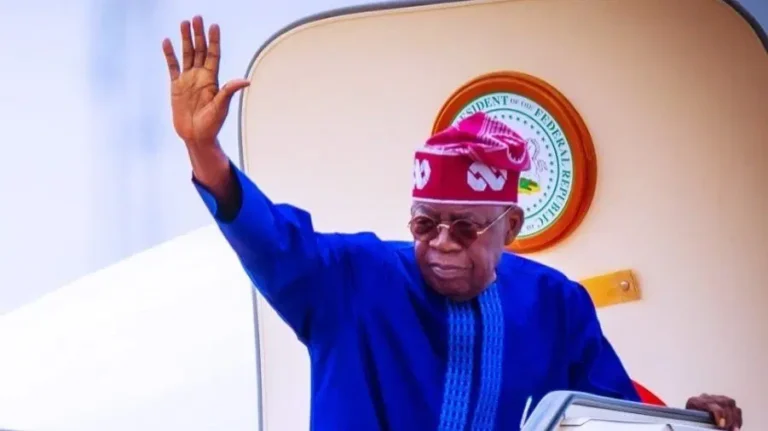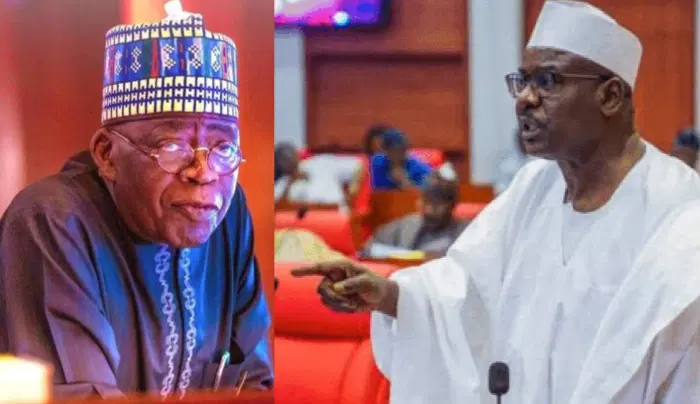
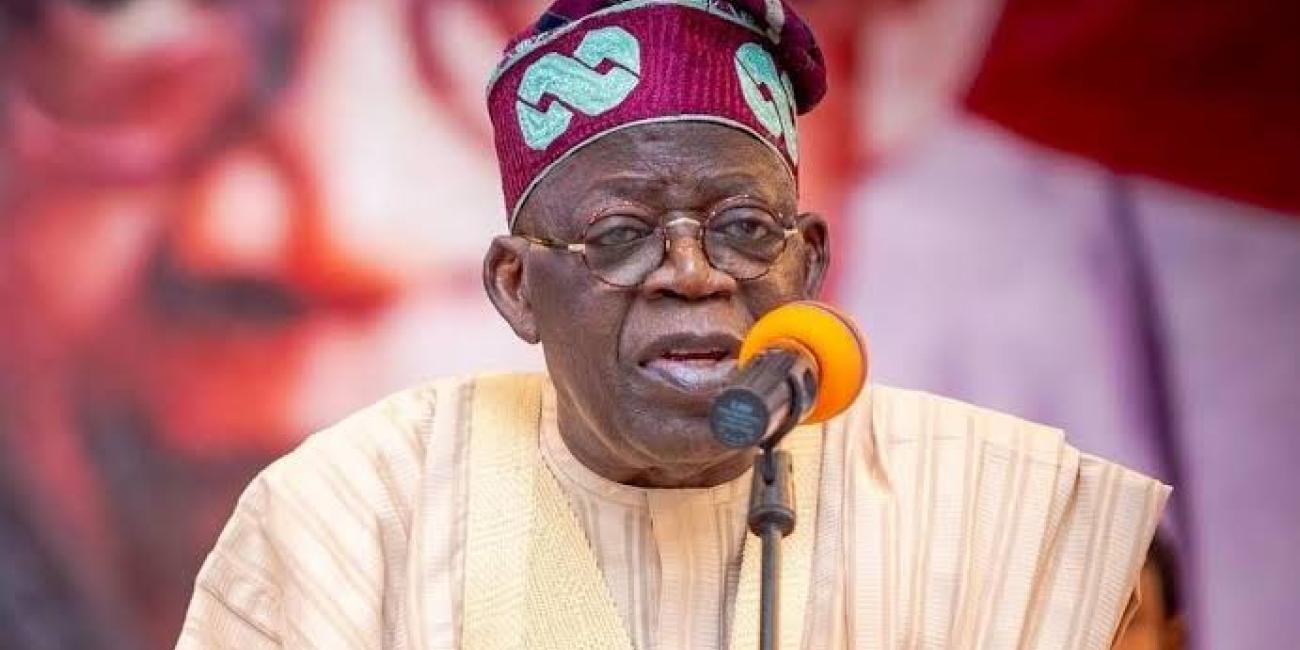

Fresh revelations have emerged on how President Bola Tinubu allegedly struck a secret deal with several Southern governors to conduct all elections in one day come November 2026, in what sources describe as a grand political strategy to consolidate power ahead of the next general polls.
According to multiple insider accounts obtained by SaharaReporters, the ongoing wave of defections by governors and key political figures to the ruling All Progressives Congress (APC) is not a coincidence but part of a coordinated plan sealed during a closed-door meeting between Tinubu and some Southern leaders.
Since assuming office, the President has seen a string of defections from the Peoples Democratic Party (PDP) into the APC. In April 2025, Delta State Governor Sheriff Oborevwori, along with his deputy and commissioners, dumped the PDP in what Tinubu described as a “political tsunami.” Not long after, former governor Ifeanyi Okowa joined the exodus, giving APC a new stronghold in Delta.
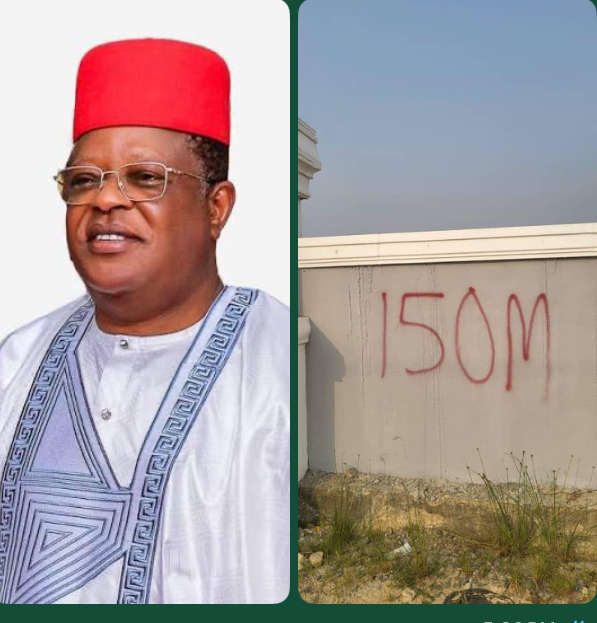
The same pattern unfolded in Enugu, where Governor Peter Mbah defected to the ruling party in October 2025, breaking the PDP’s 26-year dominance. Bayelsa State soon followed, further confirming what political observers have dubbed a “Southern realignment.”
Sources revealed that Tinubu offered political protection and re-election guarantees to governors who agreed to cross over, promising federal support in exchange for loyalty. In return, the governors reportedly pushed for a one-day election schedule or a presidential election held last, to prevent post-election betrayal among allies.
“The mass exodus to APC was a calculated move,” a source said. “At the meeting, Tinubu promised to secure their return to power, while they proposed holding all elections in one day. The President agreed.”
Part of the secret deal, insiders added, includes scrapping electronic transmission of results from polling units — a major transparency reform under the 2022 Electoral Act. Instead, results would be transmitted only from collation centres, a change many fear would open the door to manipulation.
“They agreed to remove electronic transmission from polling units,” another insider disclosed. “That way, they can manage the results at collation points, away from public scrutiny.”
The proposed electoral overhaul also involves moving the general elections from the traditional February–March cycle to November 2026.
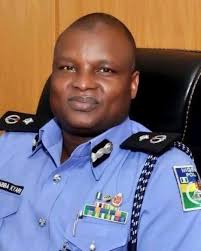
The development reportedly triggered a major rift between Tinubu’s team and the now-former INEC Chairman, Professor Mahmood Yakubu. According to Presidency sources, Yakubu rejected a proposed tenure extension, citing concerns about independence and transparency.
His attempts to register new political parties and recognise the takeover of the African Democratic Congress (ADC) reportedly angered powerful figures in the Presidency. “The hawks in Tinubu’s kitchen cabinet forced him out abruptly,” one official confirmed.
The Senate has since confirmed Professor Joash Amupitan as the new INEC Chairman after a voice vote session.
Yakubu’s removal, according to insiders, was finalised after Governor Hope Uzodinma warned Tinubu that the INEC boss could “destabilise the APC’s plans” for 2027 and might “install his ally” in Imo State through a new party platform.
Following that, Tinubu allegedly ordered Yakubu to proceed on terminal leave, though the official announcement was delayed after news of the move leaked.
The revelations, if proven true, mark one of the boldest political manoeuvres in Nigeria’s recent history—one that could reshape the country’s democratic and electoral landscape ahead of 2027.