
This content has been archived. It may no longer be relevant
In the early hours of Saturday, January 15, 1966, tragedy struck the home of Brigadier Samuel Ademulegun, the General Officer Commanding the 1st Division of the Nigerian Army. He and his pregnant wife were already asleep when soldiers forced their way into their bedroom. What followed was one of the most painful episodes of that night.
According to accounts, the young officer leading the operation demanded the keys to the armoury. Ademulegun refused. His pregnant wife reportedly stood between him and the soldiers, pleading for mercy. Her pleas did not save them. Both husband and wife were shot, their lives cut short in their own home in Kaduna.
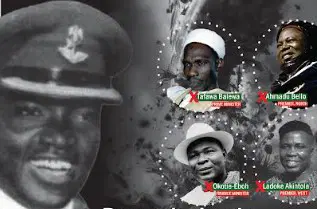
That same night, the coup leader, Major Chukwuma Kaduna Nzeogwu, was also active in Kaduna, where he succeeded in killing the Premier of the Northern Region, Sir Ahmadu Bello, the Sardauna of Sokoto. Elsewhere, however, not everyone arrested was killed. When Nzeogwu later confronted Hassan Usman Katsina and asked whether he was “with us or against us,” Katsina’s quick response saved his life.
In Lagos, the situation unfolded differently. The coup there was led by Major Emmanuel Ifeajuna, assisted by several other officers. Prime Minister Abubakar Tafawa Balewa was arrested alive after soldiers overpowered his guards. Evidence suggests that his killing may not have been part of the original plan. Balewa was later shot after the coup began to collapse, but not before he was given time to pray.
Other senior officers were not so fortunate. Brigadier Maimalari, widely respected and seen as a rising star in the army, narrowly escaped arrest once, only to later be killed by Ifeajuna, someone he trusted. His death shocked many northern soldiers so deeply that months later, during the July counter-coup, some still believed he might be alive.
Across the country, similar scenes played out. Senior officers and politicians were arrested, and some were later killed when it became clear the coup would fail. In Ibadan, Western Region Premier Chief Samuel Akintola resisted arrest and was eventually shot after a gun battle with soldiers.
Sixty years later, the January 15, 1966 coup remains one of the most debated moments in Nigeria’s history. Like the June 12, 1993 election, it carries multiple narratives, shaped by who tells the story and from which perspective. While some argue it was ethnically motivated, others who were present insist it was not a tribal plot but a misguided attempt to change the system.
What is not in doubt is its impact. The coup failed, but it ended Nigeria’s First Republic and paved the way for military rule under General Aguiyi-Ironsi. It also set off a chain of events that included a bloody counter-coup later that same year and several more coups in the decades that followed.
January 15, 1966, remains a day of reflection — a reminder of how violence, mistrust and ambition altered Nigeria’s path forever, leaving wounds that history has yet to fully heal.