
The Kogi State Government has unveiled plans to raise ₦50 billion through a Sukuk bond to finance two major infrastructure projects—the proposed Kogi State International Airport and the Lokoja International Market—describing them as key drivers of the state’s long-term economic growth.
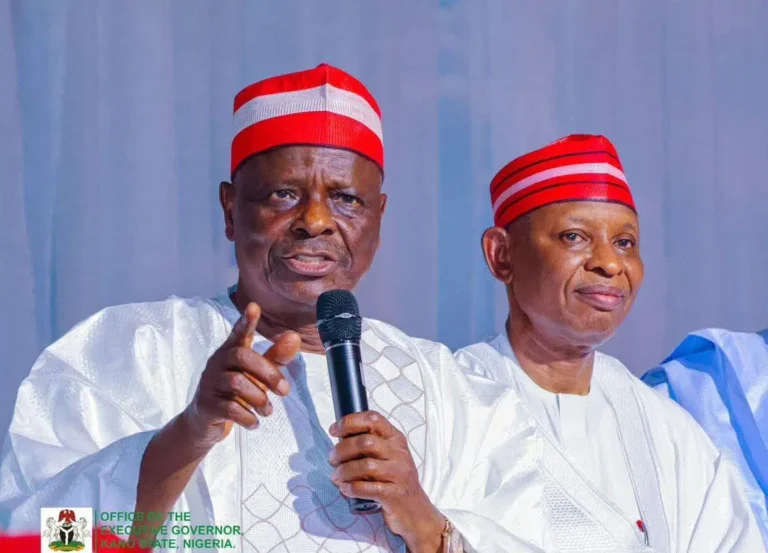
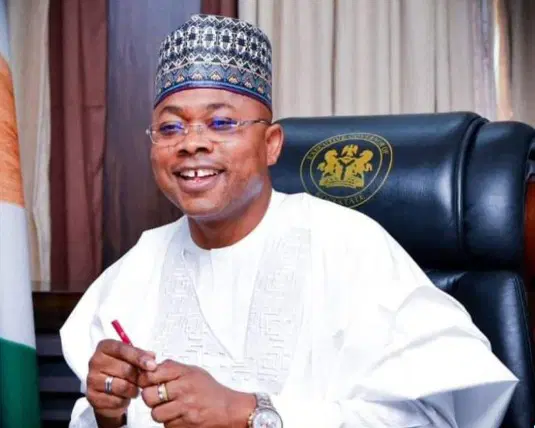
Governor Ahmed Ododo disclosed this during a meeting with investors, capital market operators, regulators and development finance institutions in Abuja. Speaking through the Commissioner for Finance, Budget and Economic Planning, Asiwaju Ashiru Idris, the governor said the decision to access the capital market was a strategic move, not a response to financial pressure.
According to him, the Sukuk is strictly asset-backed and dedicated solely to the airport and market projects. He explained that the international airport is expected to improve logistics, attract private investment, support agro-exports, ease business travel and position Kogi as a natural commercial hub linking all regions of Nigeria.
He added that the Lokoja International Market would formalise trade, boost internally generated revenue, create thousands of jobs and strengthen urban economic activity in the state capital.
Ododo noted that Kogi operates under a 32-year development plan that ensures policy continuity, disciplined borrowing and predictable capital deployment. He also highlighted the state’s “B” credit rating with a stable outlook from Fitch Ratings, pointing to improved financial management and debt sustainability, as well as added revenue from its 13 per cent derivation as an oil-producing state.
Assuring investors, the governor said the projects align fully with Sukuk principles and are designed to generate revenue, not fund recurrent spending.
Also speaking, AVA Capital Group Managing Director, Kayode Fadahunsi, described the offer as a textbook infrastructure Sukuk, stressing that the projects are capable of paying for themselves over time.
The Sukuk will be issued at ₦1,000 per unit, with a tenure of five to seven years and a minimum subscription of ₦5 million.