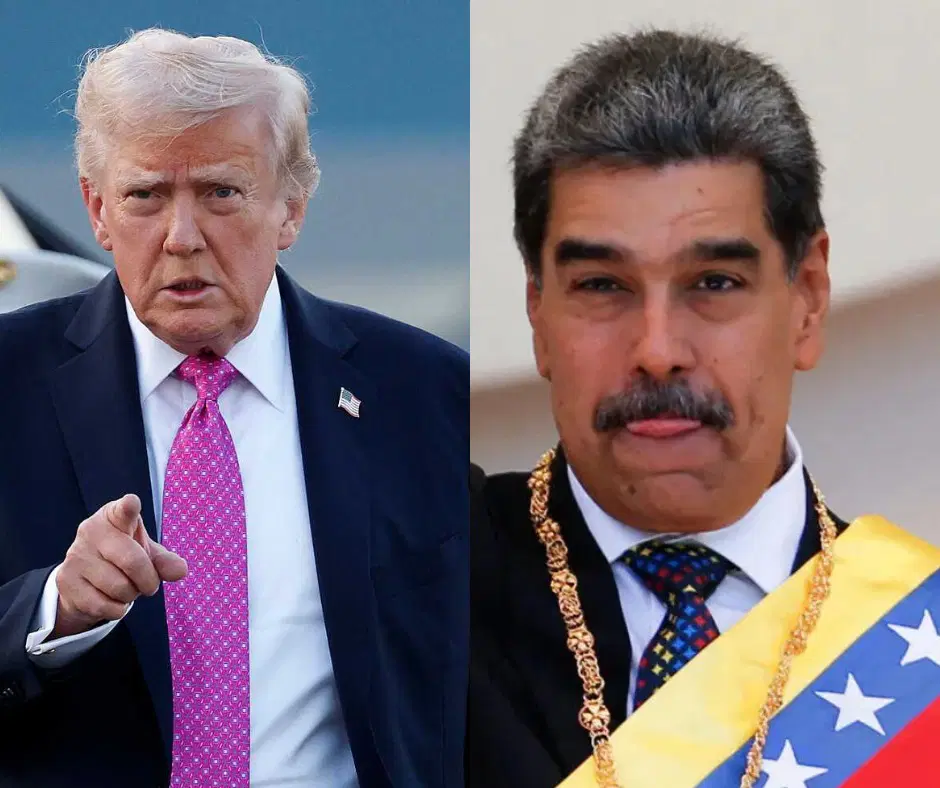

The dramatic capture of Venezuelan President, Nicolás Maduro, by United States forces has sent shockwaves across the globe, igniting intense debate over international law, state sovereignty, and the limits of military power.
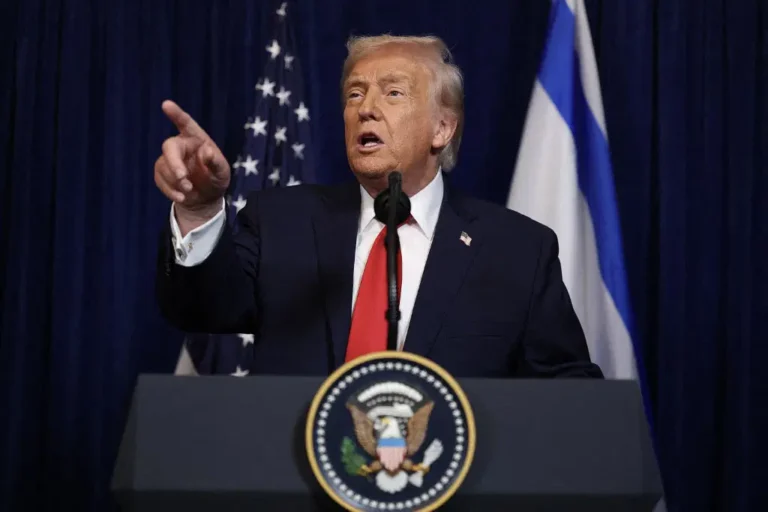
US President Donald Trump announced on Saturday that Maduro had been seized during what he described as a “large-scale strike” on Venezuela and flown to New York. Trump later released a photo showing Maduro handcuffed and blindfolded, a move that further inflamed global reactions. Addressing reporters, Trump said the United States would temporarily run Venezuela until a “safe transition of power” takes place, adding that he does not rule out deploying ground troops. He also revealed that US companies would now take over Venezuela’s oil industry.
The operation reportedly involved explosions and low-flying aircraft over Caracas, plunging the capital into fear and uncertainty. In response, the Venezuelan government condemned the action as an “extremely serious military aggression,” declared a state of emergency, and accused the US of violating its sovereignty. Countries including Russia, China, Iran, Brazil, Mexico, and Colombia have voiced strong opposition, warning of threats to regional and global stability.
At the United Nations, Venezuela’s Ambassador, Samuel Moncada, told the Security Council that the attack on a country “at peace” carries dangerous implications for international security. While Washington insists the action was justified because Maduro faces narco-terrorism charges, legal experts argue that international law does not permit one state to militarily abduct the leader of another sovereign nation.
Under the UN Charter, particularly Article 2(4), the use of force against another state is prohibited except in narrow circumstances: Security Council authorization, self-defence after an armed attack, or an invitation by the legitimate government. None of these conditions, critics argue, appear to apply in this case, making the operation legally questionable.
Reacting to the development, Prof. Joseph Ochogwu, Director-General of the Institute for Peace and Conflict Resolution (IPCR), described the incident as a wake-up call for countries to strengthen internal cohesion, good governance, and democratic legitimacy. According to him, weak institutions, deep internal divisions, and loss of popular trust often invite external intervention, especially from powerful nations pursuing strategic interests such as oil and geopolitical influence.
Similarly, Prof. Babatunde Ayeleru of the University of Ibadan warned that the action amounts to a disregard for Venezuela’s sovereignty and could encourage powerful countries to invade weaker states under flimsy justifications. He described the move as a dangerous signal that could destabilize global geopolitics and erode trust in international relations, likening it to a modern form of re-colonisation.
The United Nations Secretary-General, António Guterres, also expressed deep concern, warning that the incident sets a “dangerous precedent” and undermines respect for international law and the UN Charter.
As the world watches events unfold, the capture of Maduro has become more than a regional crisis. It is now a global test of whether international law still holds firm, or whether power alone decides the fate of nations.