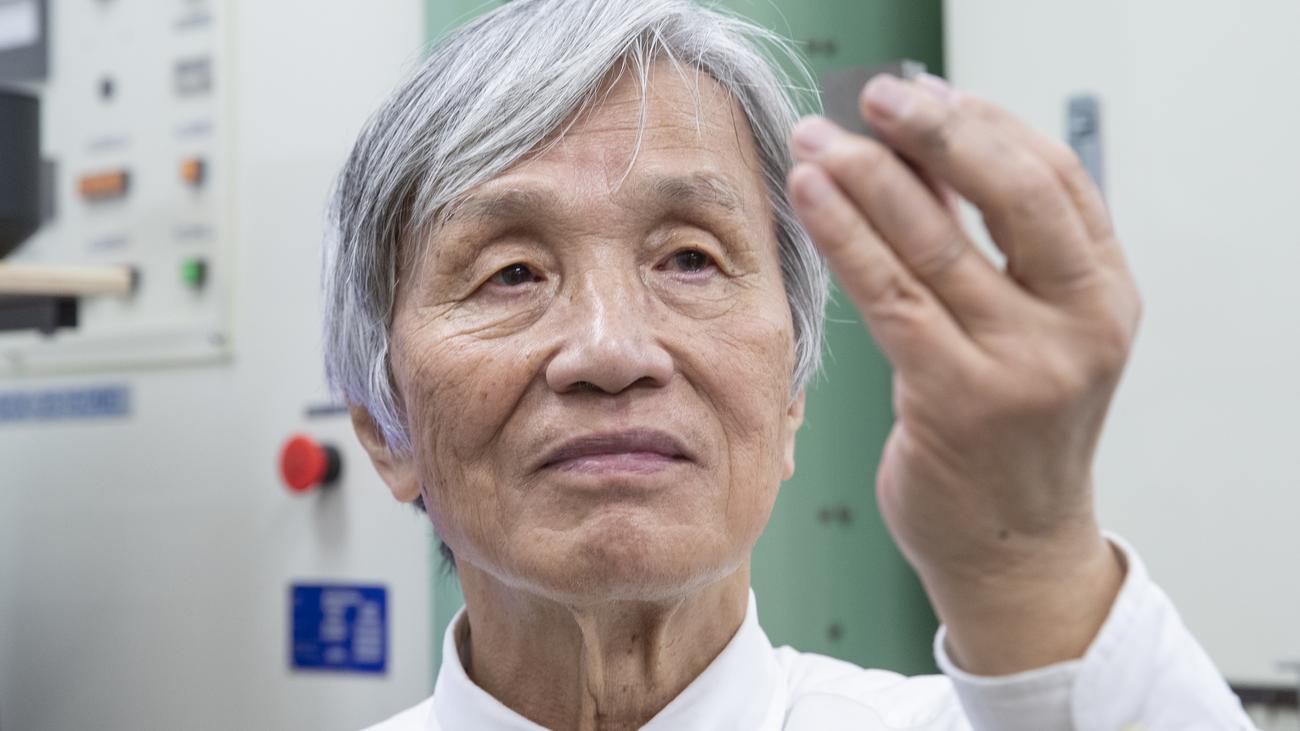
Germany can learn from Japan how to become more independent from Chinese blackmail for raw materials. Masato Sagawa, whose magnet is in smartphones like drones, shows how it is done.
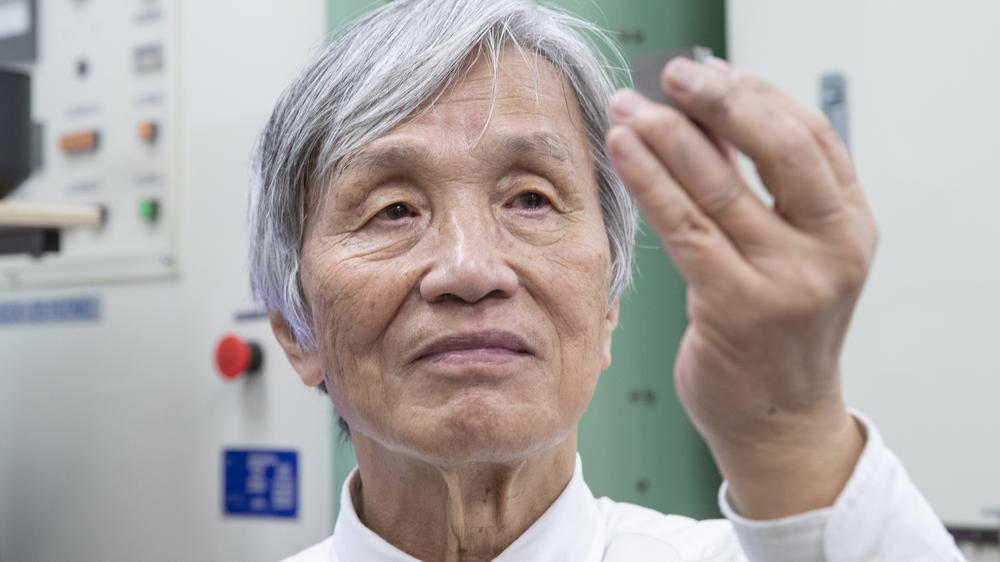
© Kosuke Arakawa
Something mysterious is happening in a laboratory at Kyoto University. Coils rotate, valves hiss, a man with elegant graying hair stares through the glass pane into an oxygen-free experimental chamber. Masato Sagawa has big plans here. Once again. If everything goes according to plan, he could achieve liberation: the global industry would then no longer be so dependent on China’s Raw material monopolies.
Sagawa is 82 years old and this is not the first time he has worked on an invention that could make industrial history. In the early 1980s, he filed the world’s first patent for a new type of magnetic material, a metal alloy made up of three components: neodymium, iron and boron, chemical abbreviation NdFeB.