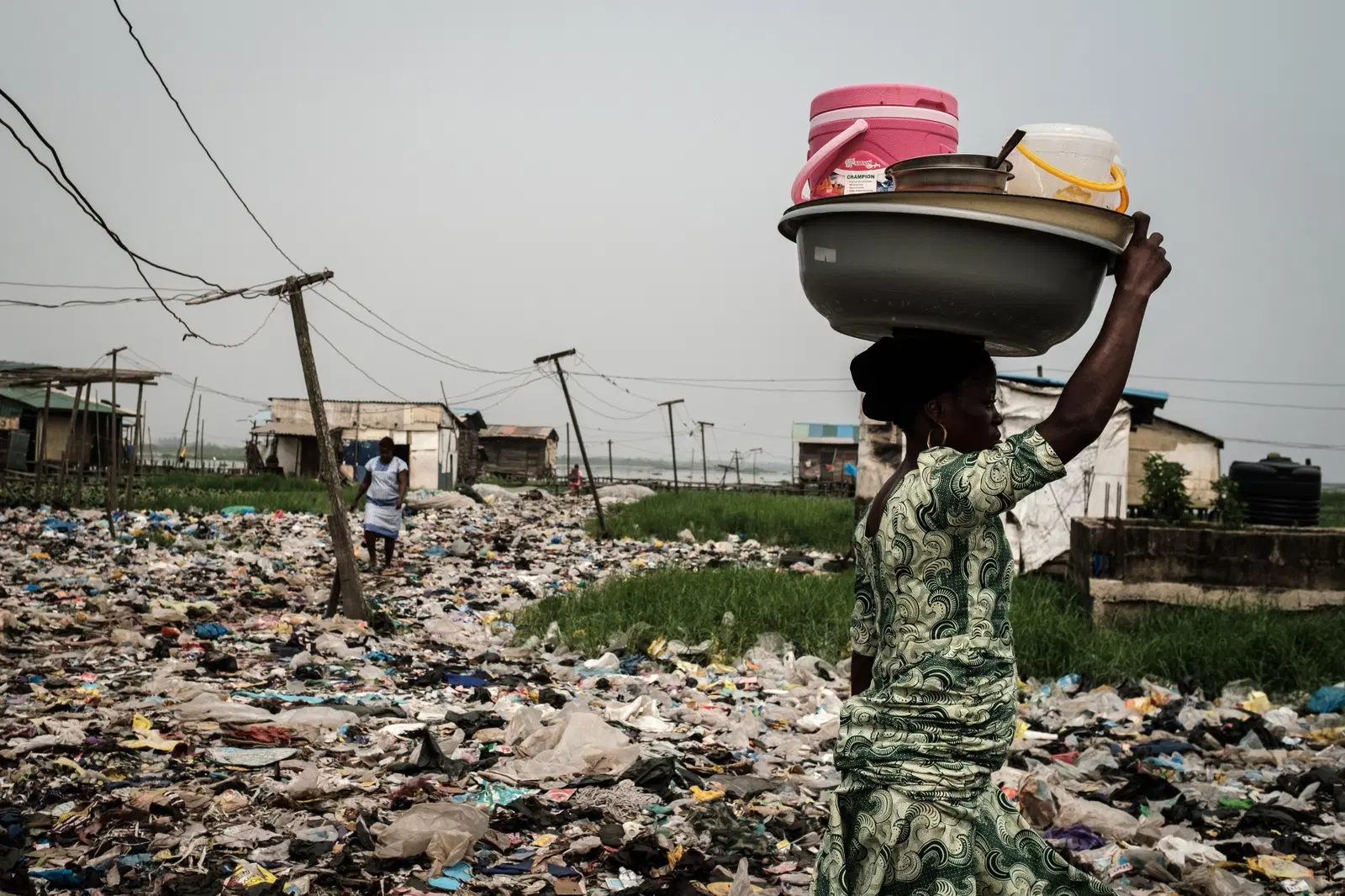
In less than four years, the amount of money shared among Nigeria’s three tiers of government has more than doubled. Yet, for millions of Nigerians, daily life has become harder, not easier. It is a troubling paradox that increasingly defines the country’s economic reality: more funds flowing to government, but more pain for the people.
Since June 2023, federal allocations to states and local governments have risen sharply. Monthly figures released by the Federation Account Allocation Committee (FAAC) show the impact of recent fiscal and monetary reforms, including the removal of fuel subsidy, the floating of the naira, and improved oil receipts. On paper, government revenues look stronger than ever.
In 2022, total allocations stood at ₦9.18 trillion. This rose to ₦10.9 trillion in 2023, jumped to ₦15.26 trillion in 2024, and reached ₦18.54 trillion between January and October 2025 alone. Altogether, ₦44.03 trillion has been shared among the federal, state, and local governments within just 34 months.
States have been major beneficiaries of this surge. Their allocations rose from ₦3.58 trillion in 2023 to ₦5.81 trillion in 2024, and further to ₦7.54 trillion in the first ten months of 2025. During the same period, the Federal Government received ₦6.41 trillion, while local governments got ₦4.55 trillion.
A FAAC quarterly review by NEITI confirmed the scale of the increase. State allocations rose by 62 per cent between 2023 and 2024, local governments by 47 per cent, and the Federal Government’s share by 24 per cent. Minister of Budget and Economic Planning, Senator Abubakar Bagudu, further revealed that monthly allocations to states and councils more than doubled between May 2023 and June 2025.
But these rising revenues have come alongside severe economic hardship. President Bola Tinubu’s decision to remove fuel subsidies and float the naira in May 2023 triggered immediate shocks. Fuel prices surged from about ₦197 per litre to over ₦1,000 in many areas, while the naira briefly slid close to ₦1,900 to the dollar. Inflation climbed steadily, peaking at 34.8 per cent in December 2024.
More than two years later, the pain persists. Poverty levels have worsened dramatically. While about 93.8 million Nigerians were living below the poverty line in 2023, recent World Bank figures suggest that number has risen to about 139 million people, roughly 61 per cent of the population. With Nigeria’s population now estimated at nearly 240 million, only about 100 million Nigerians are living above the national daily poverty threshold.
Although inflation has moderated following a rebasing of the Consumer Price Index in 2025, many households say the relief is barely noticeable. Food prices, transport costs, rent, and basic services remain far beyond the reach of average earners.
Concerned by growing public frustration, President Tinubu recently challenged governors to show visible results. Speaking at an APC National Executive Committee meeting, he urged them to “wet the ground” by delivering real development at the grassroots, noting that many Nigerians still feel disconnected from the benefits of governance.
Meanwhile, FAAC data shows that between January and October 2025, the Federal Government earned ₦31.27 trillion in gross revenue. After deductions, ₦18.54 trillion was shared, while over ₦11 trillion went to transfers, interventions, refunds, and savings. Revenue collection costs alone consumed ₦1.17 trillion.
Economists warn that headline figures can be misleading. Muda Yusuf, CEO of the Centre for Promotion of Private Enterprises, argues that nominal revenue growth does not necessarily translate into real purchasing power or development. Inflation, he said, has eroded much of the apparent gains, creating the illusion that states are richer than they truly are.
He also questioned how effectively the increased funds are being used, calling for greater transparency and better management. According to him, poor deployment of resources explains why higher allocations have not significantly improved living conditions.
Not all state leaders share that pessimism. Ekiti State Governor, Biodun Oyebanji, recently praised the increased allocations, saying they have allowed his administration to execute major projects without borrowing. He credited the Tinubu administration for ensuring states receive more resources and said the impact is visible in infrastructure and public services.
Still, for many Nigerians, the central question remains unanswered: with so much more money flowing into government coffers, why does everyday life feel increasingly unbearable? Until citizens begin to see clear, tangible improvements in jobs, infrastructure, healthcare, and cost of living, the story of Nigeria’s rising revenues will continue to sound like more money, but more pain.