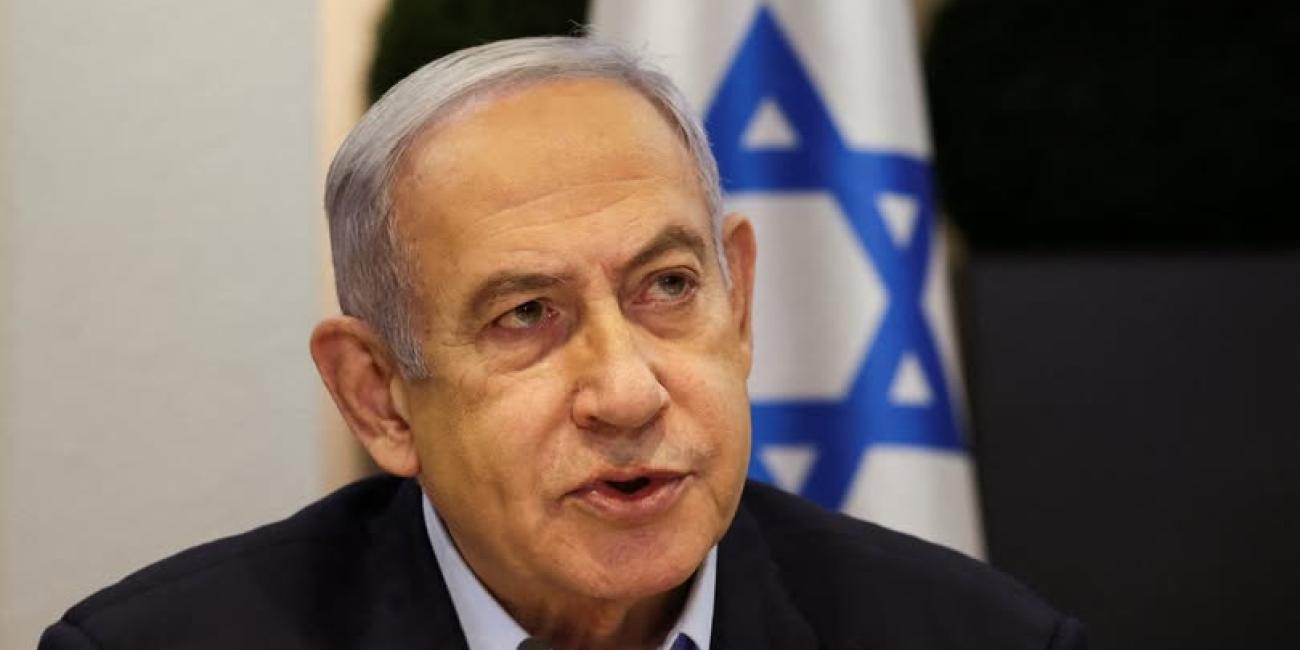
Israeli Prime Minister Benjamin Netanyahu has reaffirmed that Israel will continue its military operations against Iran, despite renewed international efforts aimed at de-escalating tensions in the Middle East.
In a statement issued on April 11, 2026, Netanyahu insisted that Israel, under his leadership, would sustain its campaign against what he described as “Iran’s terror regime and its proxies,” signaling no immediate shift in military posture even as ceasefire discussions progress.
His remarks come at a time when diplomatic activity is intensifying, with negotiations reportedly underway in Islamabad involving representatives from Iran and the United States. The talks are being facilitated by Pakistani leadership, with Prime Minister Shehbaz Sharif playing a central mediating role.
According to official statements, Sharif has held separate meetings with delegations from both sides, including U.S. Vice President JD Vance and senior Iranian officials, in an attempt to encourage dialogue and reduce regional instability.
The negotiations are part of broader international efforts to prevent escalation, as tensions continue to rise over security concerns in the Middle East. While details remain limited, the discussions are seen as a cautious step toward restoring diplomatic communication between Washington and Tehran.
On the U.S. side, former President Donald Trump has issued warnings tied to Iran’s conduct in key maritime routes, particularly the Strait of Hormuz, raising fears of further confrontation if agreements are not respected.
Meanwhile, Iranian officials have accused the United States of undermining peace efforts through its alignment with Israel, with Foreign Minister Seyed Abbas Araghchi warning that continued escalation could derail diplomatic progress. Iranian President Masoud Pezeshkian also cautioned that any further attacks could jeopardize fragile ceasefire prospects.
Despite ongoing talks, Netanyahu’s firm stance underscores the widening gap between diplomatic efforts and military realities on the ground, leaving the future of the conflict uncertain as global powers struggle to find common ground.