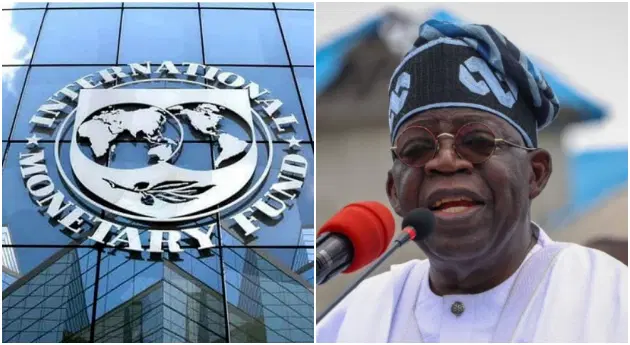

WASHINGTON D.C. — Nigeria walked a tightrope of recognition and caution at the 2025 IMF–World Bank Annual Meetings as global financiers applauded the country’s reform drive but warned of fiscal fragility and rising debt risks. The IMF’s latest World Economic Outlook upgraded Nigeria’s growth forecast for 2025 from 3.4% to 3.9%, citing stronger oil output, investor confidence, and domestic reforms — yet urged the government to stay disciplined.
IMF’s African Department Director, Abebe Selassie, commended Nigeria’s bold steps on subsidy removal and exchange rate unification but stressed that “policy consistency, revenue efficiency, and credible debt management” are essential to sustain progress.
Leading Nigeria’s delegation, CBN Governor Olayemi Cardoso reassured investors that reforms will not lose momentum. “This is a marathon, not a sprint,” he said, noting inflation had dropped from above 30% in 2024 to 18.02%, while foreign reserves surpassed $43 billion. The naira’s exchange rate gap has narrowed to under 2%, signaling renewed market confidence.
IMF officials agreed that Nigeria’s economic rebound is real but fragile. They highlighted growth in digital services and agriculture but warned that fiscal deficits — projected to rise to 3.7% of GDP in 2026 — could hinder development spending if debt costs keep rising. The Fund urged Nigeria to digitize its tax system, improve compliance, and rationalize incentives to expand non-oil revenue.
At a civil society forum, IMF Managing Director Kristalina Georgieva praised Nigeria’s efforts to track illicit financial flows, calling them key to plugging fiscal leakages. “Transparency, not leakage, must drive growth,” she said.
Cardoso also announced plans to restructure the CBN’s currency swap deal with China and expand fintech engagement to strengthen Nigeria’s digital finance ecosystem. “Innovation and regulation must move together,” he said.
Meanwhile, Minister of State for Finance, Dr. Uzoka-Anite, assured that Nigeria’s macroeconomic stability will translate into “real-sector growth, job creation, and youth empowerment,” backed by World Bank partnerships in agriculture and digital enterprise.
UBA Chairman Tony Elumelu, speaking on an AI panel, called on African leaders to “democratize technology and ensure AI drives inclusion, not inequality.”
IMF chief Georgieva summed up Nigeria’s journey succinctly: “The reforms are difficult, but essential. Staying the course will determine whether today’s progress becomes tomorrow’s prosperity.”