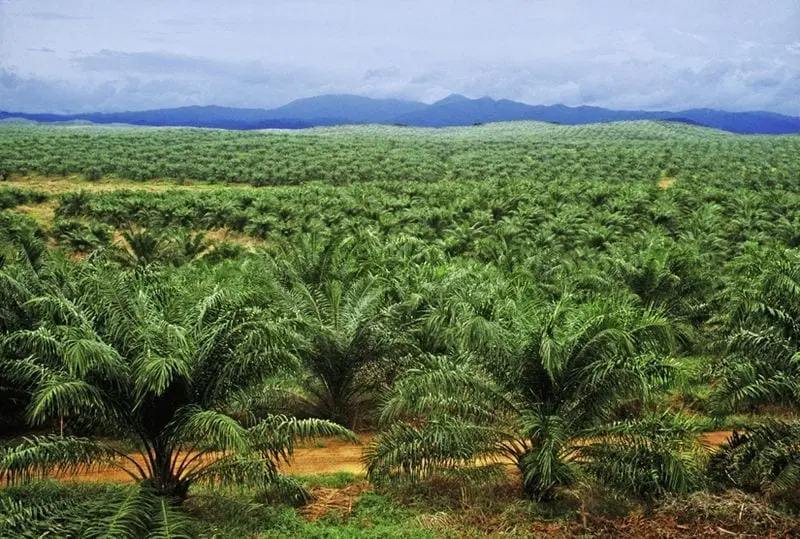
Nigeria may soon begin a major shift in its agricultural strategy as plans are underway to expand oil palm cultivation beyond the southern region and into parts of northern Nigeria.
This was disclosed by the President of the National Palm Produce Association of Nigeria (NPPAN), Dr. Alphonsus Inyang, during the Validation Meeting of the Nigerian Oil Palm Development Strategy, where stakeholders gathered to discuss ways to revive and reposition the country’s palm oil subsector.
According to Inyang, the move is part of a broader effort to restore Nigeria’s status as a major global player in palm oil production. He explained that relying solely on the South may no longer be enough if the country hopes to meet the targets outlined in its long-term development strategy.
A key part of the proposed expansion is Taraba State, which Inyang described as having enormous agricultural potential for oil palm cultivation. He noted that the state has vast landmass, favourable sunshine duration, and access to water in several areas—factors that could make it highly suitable for large-scale plantation development.
He also identified Niger State, Kogi State, and Nasarawa State as other locations with terrain and environmental conditions that may support oil palm production.
The strategy signals a significant policy rethink. Traditionally, oil palm production in Nigeria has been concentrated in the southern belt due to climate and historical cultivation patterns. However, the association now believes that selected savannah areas in the North and Middle Belt could help bridge production gaps and reduce pressure on southern farmland.
If successfully implemented, the expansion could create jobs, attract agro-investment, increase local palm oil supply, and reduce Nigeria’s dependence on imports.
Beyond agriculture, the proposal also reflects a growing urgency to diversify economic opportunities across regions. If the right infrastructure, research, and funding support are put in place, northern oil palm cultivation could become one of the country’s most ambitious agribusiness transitions in recent years