This content has been archived. It may no longer be relevant
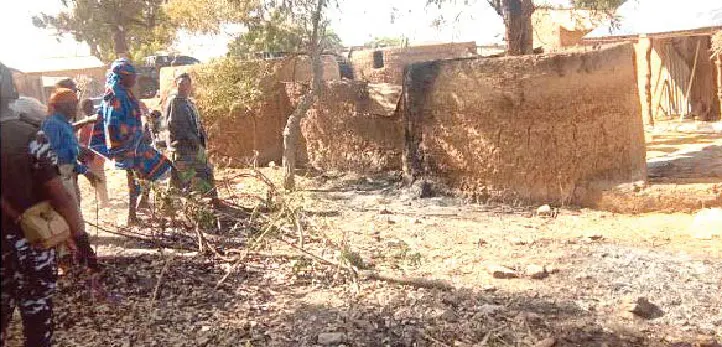
Across Nigeria, fear travels faster than the wind. From the forests of Edo to the creeks of Bayelsa, the farmlands of Benue to the highways of Kaduna and Katsina, armed groups now occupy territories once governed by the state. These ungoverned spaces — carved out by terrorists, bandits, and kidnappers — have turned the country into a battlefield where civilians live at the mercy of men with guns.
Every day, headlines scream of abductions, killings, and raids in regions once considered safe. What began as pockets of violence has evolved into a nationwide crisis, where the line between safety and danger grows thinner with each sunrise. Security agencies are fighting back — raiding hideouts, deploying drones, and setting up joint task forces — but progress remains uneven. As one criminal camp falls, another springs up in a new location.
In Edo State, thick forests like those along Benin–Abraka, Auchi–Okene, and Ifon–Okpella have become kidnapping havens. Bayelsa’s waterways are crawling with pirates and cultists, while Akwa Ibom’s coastal communities grapple with cross-border abductions. In Delta, the dense forests of Abraka and Ogwashi-Uku harbour armed gangs, forcing villagers to rely on vigilantes for safety.
The North remains the most troubled. In Katsina, at least 26 of 34 local governments are under siege, with the infamous Funtua–Kankara Road dubbed the “corridor of death.” Niger State has over 18 local governments overrun by bandits since 2015, displacing thousands and cutting off entire communities. In Kwara, over 50 notorious enclaves stretch across Baruten, Kaiama, and Ekiti borders, while Benue, Sokoto, and Zamfara continue to bleed from relentless attacks.
The situation is no better in the North-East, where Boko Haram and ISWAP militants still ambush travellers on the Maiduguri–Damaturu and Monguno–Baga roads. States like Adamawa and Yobe struggle with porous borders that allow insurgents to move freely between Nigeria and Cameroon.
Even the South-West is feeling the heat. In Lagos, residents of Mushin, Mile 2, and Ajegunle complain of rising robberies and cult clashes. Ondo and Ekiti face attacks along border highways, while Oyo and Ogun continue to battle cultism and herder–farmer conflicts.
Authorities insist they are “doing their best,” citing ongoing military operations, community policing, and drone surveillance. Yet, the reality on the ground tells a harsher story — one of fear, displacement, and growing distrust. The question remains: who truly governs Nigeria’s vast, lawless spaces when armed groups hold sway over forests, highways, and borderlands?
Until the state reclaims full control of its territory, millions of Nigerians will continue to live in the shadows — paying ransoms, burying victims, and praying for a peace that remains painfully out of reach.