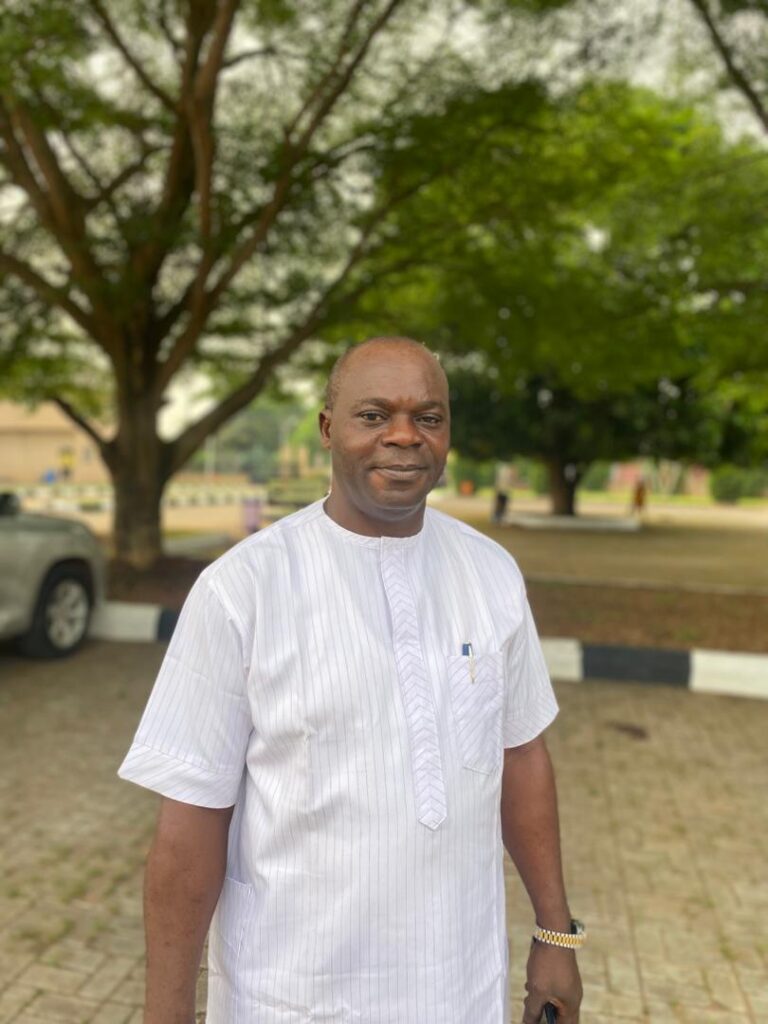


The Centre for Information Technology and Development (CITAD) has condemned the arrest of Abubakar Isah Mokwa, a postgraduate student of Ibrahim Badamasi Babangida University, Lapai (IBBUL), who was allegedly detained on the orders of Niger State Governor, Mohammed Umaru Bago, for criticising him on Facebook.
In a statement signed by CITAD’s Executive Director, Y.Z. Yau, the organisation described the arrest as “a gross assault on free expression and a direct violation of the Nigerian constitution.” Mokwa was reportedly picked up from his off-campus residence in Lapai and transferred to the State Police Command in Minna, where he remains in custody.
According to the police, the arrest was based on allegations of cyberbullying and cyberstalking. However, CITAD insisted this was simply another attempt to criminalise free speech and silence dissent, calling it “deeply unconstitutional and unacceptable.” The group cited Section 39 of the 1999 Constitution, which guarantees freedom of expression and opinion without interference.
CITAD further condemned what it called a pattern of repression in Niger State, recalling the suspension of Badegi 90.1 FM and the harassment of journalists such as Yakubu Mustapha of Peoples Daily and Mustapha Nasiru Batsari of Voice of America (VOA) for criticising the governor.
“Freedom of expression is the foundation of democracy. The continued misuse of state power to silence critics and young people undermines civic trust,” the group said.
The organisation demanded the immediate release of Mokwa, urged President Bola Tinubu and the Inspector-General of Police to check the abuse of power, and called on Governor Bago to respect citizens’ rights instead of intimidating activists and journalists.
Mokwa’s lawyer, Ibrahim Usman Wali, also criticised the police for using “bureaucratic delays” to prolong his client’s detention, describing it as a tactic to suppress dissent. He reaffirmed that “governance is a public trust” and those in power must tolerate criticism as part of democratic accountability.
CITAD concluded by reaffirming its commitment to defending digital rights and ensuring that Nigeria remains a country where citizens can freely express their opinions without fear or persecution.