The Presidency has denied allegations that it altered the recently passed tax reform bills, insisting that any discrepancies found in the gazetted laws are strictly the responsibility of the National Assembly.
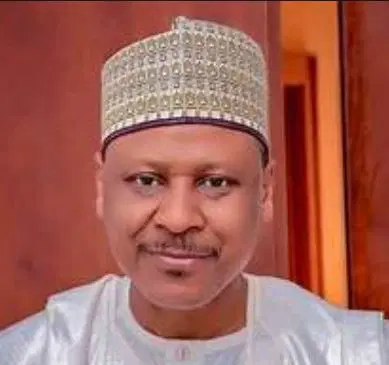
Speaking to journalists, the Minister of Information and National Orientation, Idris Mohammed, dismissed claims of executive interference, stressing that the executive only presented the bills, which were processed, passed, and returned by the legislature before being signed into law by President Bola Tinubu.
His response followed allegations by a lawmaker, Abdulsammad Dasuki (PDP, Sokoto), who claimed that the gazetted versions of the tax laws differ from what lawmakers debated and approved. The controversy has triggered public outrage and prompted the House of Representatives to set up a seven-member committee to investigate the matter, with a full debate scheduled in plenary.
According to the minister, the executive recognises only one official version of the tax laws and will await the outcome of the National Assembly’s review. He maintained that if lawmakers have identified inconsistencies, it is their constitutional duty to address them.
Backing this position, Taiwo Oyedele, Chairman of the Presidential Fiscal Policy and Tax Reforms Committee, urged the legislature to carry out a thorough investigation. He argued that claims of alterations cannot be verified without access to the certified “as-passed” versions sent to the President by the National Assembly.
Meanwhile, a House committee report circulating among lawmakers alleges that key provisions were inserted, modified, or removed after passage, including new enforcement powers and the removal of oversight clauses. Lawmakers warn that if proven, such actions would violate Sections 4 and 58 of the 1999 Constitution and could render parts of the laws invalid.
Civil society groups and opposition parties have also demanded an independent probe, warning that post-passage alterations would undermine legislative authority, investor confidence, and democratic governance.
As the House reconvenes, the unfolding debate is being viewed as a critical test of the 10th National Assembly’s resolve to defend its constitutional powers and uphold the integrity of Nigeria’s law-making process.