There is growing concern in Taraba State after the Executive Secretary of the State Emergency Management Agency, Dr. Echuseh Audu, was accused of using the police to go after a human rights activist who demanded answers over relief materials meant for internally displaced persons and vulnerable residents.
The controversy began after activist Abdulmumin Imam made a Facebook post questioning whether rice, groundnut oil, mattresses and other aid items under SEMA’s care were truly getting to the people they were meant for. In the post, Imam wrote, “With such responsibility comes accountability. Are these materials truly reaching the people they are meant for? Or is something else happening behind the scenes?” That question, simple as it looked, has now sparked a much bigger storm.
According to sources familiar with the matter, instead of publicly addressing the concerns, Audu allegedly moved to pressure Imam behind the scenes. It was claimed that she reached out through mutual contacts, demanding that he delete the post and apologise publicly. But Imam reportedly refused to back down, insisting that his comments were made in the public interest and were aimed at demanding transparency over public relief efforts.
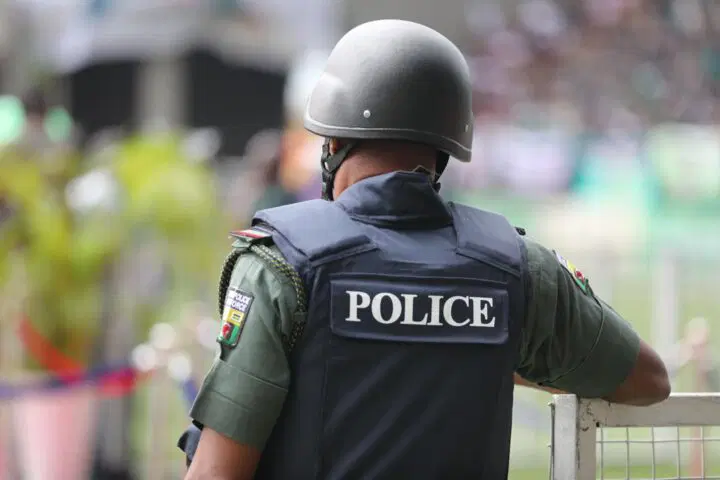
That refusal appears to have escalated the situation. Imam was later invited by the police over allegations of cyberbullying, criminal defamation of character and criminal intimidation. A police invitation letter dated March 27, 2026, from the State Criminal Investigation Department in Jalingo, asked him to report for questioning on April 1. For many observers, that move has raised uncomfortable questions about whether law enforcement is being used to settle public accountability disputes.
The issue has become even more sensitive because it touches on humanitarian support for some of the poorest and most vulnerable people in Taraba. When relief items meant for displaced families become the subject of secrecy or intimidation, public trust naturally begins to shake. People want to know not just whether aid was shared, but whether it was shared fairly, transparently and without political shielding.
Interestingly, even as the controversy grew, Taraba SEMA maintained publicly that it remains committed to transparent and efficient distribution. Audu was also quoted as saying the agency had already supported more than 50,000 IDPs and flood victims across the state, while urging the public to ignore reports questioning her handling of the materials.
Still, the bigger issue refuses to go away. In a democracy, asking where relief materials went should not automatically place someone in the path of police investigation. That is why this case is beginning to look less like a personal dispute and more like a test of how far public officials should go when citizens ask uncomfortable but necessary questions.