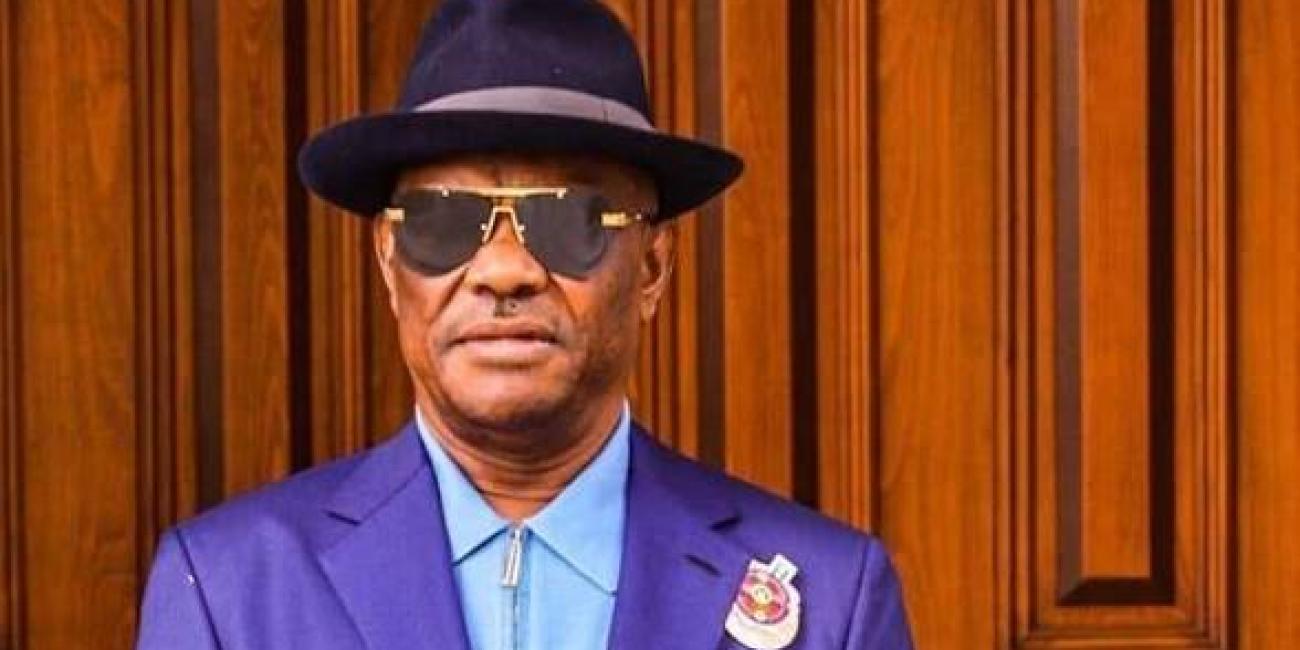
A resurfaced 2016 audio recording allegedly involving Federal Capital Territory Minister Nyesom Wike has added a fresh and troubling layer to the outrage already surrounding his recent comment about Seun Okinbaloye.
The renewed controversy comes after Wike said during a media chat that, if he could, he would have “shot” the television anchor through the screen — a remark his aides later described as figurative and not a literal threat. But with an old recording now circulating again, many Nigerians are beginning to ask whether this is simply another case of reckless language or part of a much older pattern of intimidation and political aggression.
The resurfaced tape, which was widely reported in 2016, allegedly captured Wike during the tense period of the Rivers State legislative rerun election. In those recordings, a voice said to be his was heard making statements interpreted as threats against electoral officials, while also discussing election-related arrangements. At the time, the matter generated national controversy, prompted calls for investigation, and drew the attention of both the police and the Independent National Electoral Commission, which reportedly began separate probes into the audio and the surrounding allegations.
What makes the resurfacing of that episode significant now is not only the content of the old recording, but the political atmosphere in which it has returned. In a democracy already struggling with mistrust, polarisation, and fear around institutions, public figures are expected to speak with caution, especially when addressing journalists, election officials, or critics. When a senior government official repeatedly uses violent language — whether claimed to be “jokes,” “hyperbole,” or “frustration” — the deeper concern is what such words normalise in the public space.
This is why the backlash has not remained limited to one television comment. It has now grown into a wider conversation about press freedom, political culture, and the dangerous habit of excusing threatening rhetoric once it comes from powerful men. The issue is no longer just what was said in one moment. It is whether those entrusted with public authority understand the weight of their words — and the fear they can create.